
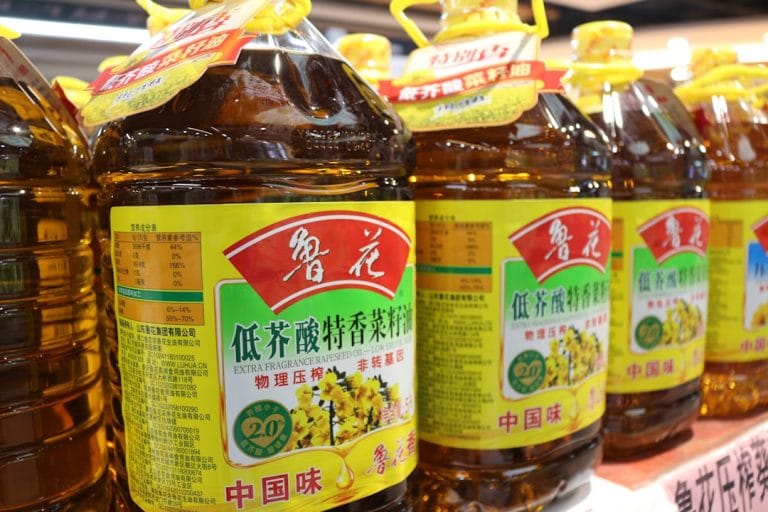
What peanut oil contains, the evidence behind peanut oil benefits for heart health, blood sugar, skin and hair, and who needs to be careful.
Peanut oil, also called groundnut oil, is a widely used cooking oil. It is made mostly of unsaturated fats and provides vitamin E and plant compounds called phytosterols (1, 5). Many claimed peanut oil benefits, however, come from research on these individual nutrients rather than on peanut oil itself.
This guide explains what the evidence supports, what is only theoretical, and why people with peanut allergy need to pay attention to the type of oil.
Key Takeaways
- Peanut oil is about 46% monounsaturated, 32% polyunsaturated and 17% saturated fat (1).
- Replacing saturated fat with unsaturated fats, especially polyunsaturated fats, lowers cardiovascular disease risk (2).
- In feeding trials, polyunsaturated and monounsaturated fats improved several measures of blood sugar control compared with carbohydrate (3).
- Skin and hair claims rely on general vitamin E research; there are no studies on peanut oil for skin or hair (7, 8).
- Refined peanut oil did not cause reactions in 60 peanut-allergic people, but crude peanut oil did in 10% (13).
Peanut Oil Nutrition
| Peanut oil | Per 100 g | Per tablespoon (13.5 g) |
|---|---|---|
| Calories | 884 kcal | 119 kcal |
| Monounsaturated fat | 46.2 g | 6.2 g |
| Polyunsaturated fat | 32.0 g | 4.3 g |
| Saturated fat | 16.9 g | 2.3 g |
| Vitamin E (alpha-tocopherol) | 15.7 mg | 2.1 mg |
| Phytosterols | 207 mg | 28 mg |
Source: USDA FoodData Central, peanut oil (1).
Unrefined peanut oil contains about 207 mg of phytosterols per 100 g, and refining, especially deodorization, reduces this amount (5).
Refined vs Unrefined Peanut Oil
 Save
SavePeanut oils differ mainly in how much they are processed, the same distinction that separates extra virgin olive oil from pomace olive oil:
- Refined peanut oil is processed to remove impurities. In a study of peanut-allergic people, refined oil did not trigger reactions (13). Refining also lowers the phytosterol content (5).
- Unrefined (crude or cold-pressed) peanut oil keeps more flavor and more phytosterols (5), but it caused allergic reactions in 10% of peanut-allergic people tested (13).
- Roasted or gourmet peanut oil has a stronger nutty flavor and is usually unrefined, so it should be treated like crude oil if you have a peanut allergy.
Heart Health
A presidential advisory from the American Heart Association found that randomized trials replacing saturated fat with polyunsaturated vegetable oil reduced cardiovascular disease by about 30%, similar to statin treatment. Observational studies also link higher intake of polyunsaturated and monounsaturated fat, in place of saturated fat, to lower rates of heart disease and death (2). Replacing saturated fat with unsaturated fat lowers LDL cholesterol (2), and phytosterols reduce cholesterol absorption (6).
These benefits apply to unsaturated fats in general, not peanut oil specifically, and they depend on using it in place of saturated fats like butter within an overall healthy diet such as a balanced diet (2).
Blood Sugar and Insulin
A meta-analysis of 102 randomized feeding trials found that replacing carbohydrate with monounsaturated fat lowered HbA1c and insulin resistance, and polyunsaturated fat produced the most consistent benefits, improving blood glucose, insulin resistance and insulin secretion (3). In laboratory and mouse studies, oleic acid and high-oleic peanut oil improved insulin production and lowered blood glucose in diabetic mice (4). These mouse results have not been tested with peanut oil in people.
Brain, Cancer and Joint Claims
- Brain health: higher blood vitamin E levels have been linked to better cognitive performance, but clinical trials of vitamin E for cognitive decline and Alzheimer’s disease have given inconsistent results; this review was written by employees of a vitamin manufacturer (10). There are no studies on peanut oil and brain health.
- Cancer: phytosterols have shown anticancer activity in laboratory and animal research (5, 6), but this does not show that peanut oil prevents cancer in people.
- Joints: evidence for fats in rheumatoid arthritis relates to omega-3 fats, which may ease pain and stiffness, while omega-6 fats tend to be pro-inflammatory (12). Peanut oil is mainly an omega-6 fat, so it should not be expected to help arthritis. That said, the broader claim deserves a caveat: when linoleic acid, the main omega-6 fat, was tested head-on, 15 randomised trials found no rise in inflammatory markers, so “omega-6 is inflammatory” is weaker than it sounds. For food-based approaches, see our arthritis diet guide.
Peanut Oil for Skin and Hair
 Save
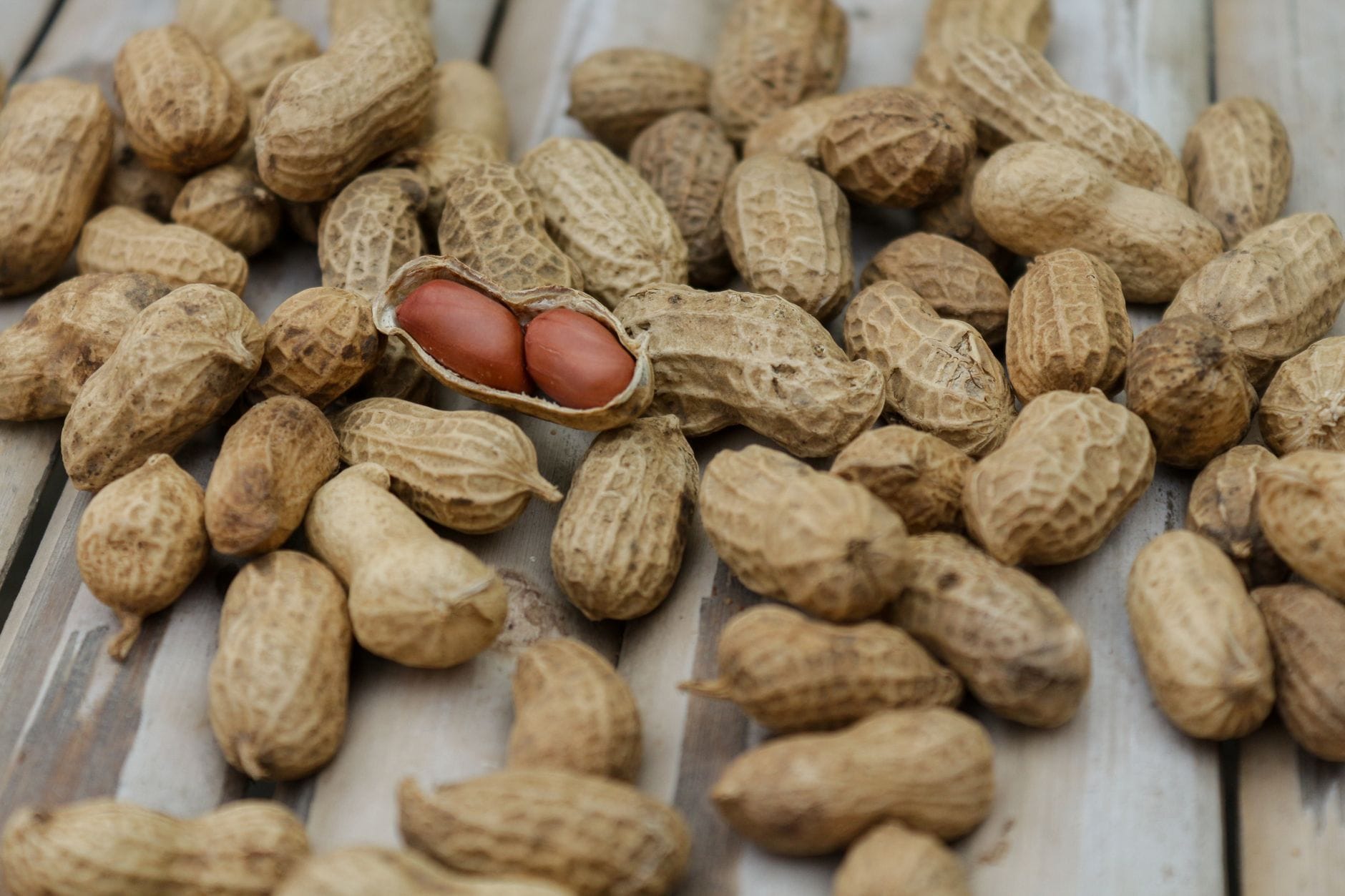
SaveVitamin E is the main lipid-soluble antioxidant protecting skin from oxidative stress, including UV-related photoaging (7), and it is widely used in cosmetic products. However, a dermatology review notes a lack of controlled clinical studies defining when and how vitamin E should be used on the skin (8). In a randomized trial in people with atopic dermatitis, oral vitamin E supplements (400 IU a day) improved symptoms compared with placebo (9), but this tested a supplement, not peanut oil on the skin.
There are no studies showing that peanut oil promotes hair growth or repairs damaged hair. If you are losing hair, see our guide to home remedies for hair fall. People with a peanut allergy should avoid applying peanut oil products to their skin unless an allergist approves.
Side Effects and Risks
- Peanut allergy: crude peanut oil caused reactions in 10% of peanut-allergic people, while refined oil caused none in the same study (13). However, allergenic proteins have been detected in both crude and refined peanut oil in laboratory tests (14), so check with an allergist.
- Calories: one tablespoon provides about 119 calories (1), which adds up quickly if you use a lot.
- Omega-6 balance: Western diets have a high ratio of omega-6 to omega-3 fats, which researchers have linked to chronic inflammatory diseases (11). Include omega-3 sources such as fish and walnuts alongside omega-6-rich oils.
Frequently Asked Questions
Is peanut oil healthy?
Peanut oil is mostly unsaturated fat and provides vitamin E. The American Heart Association concludes that replacing saturated fat with unsaturated fats, especially polyunsaturated fats, lowers cardiovascular disease risk. Like all oils it is energy-dense, with about 119 calories per tablespoon, so use it in place of other fats rather than in addition to them.
Can people with a peanut allergy eat peanut oil?
It depends on the type. In a double-blind challenge study, none of 60 people with peanut allergy reacted to refined peanut oil, but 10% reacted to crude (unrefined) peanut oil. Traces of allergenic protein have been detected in refined oils in the lab, so always ask your allergist before using any peanut oil.
Is peanut oil good for skin?
Peanut oil contains vitamin E, an antioxidant that protects skin from oxidative stress in lab and human studies. However, there are few controlled clinical studies on vitamin E for skin, and none on peanut oil specifically.
Does peanut oil help hair growth?
There are no studies showing that peanut oil helps hair grow. It may act as a conditioner, but claims about hair growth and repairing damaged hair are not supported by research.
Is peanut oil bad because of omega-6?
Peanut oil is rich in linoleic acid, an omega-6 fat. Researchers have raised concern about very high omega-6 to omega-3 ratios in Western diets, but the American Heart Association supports replacing saturated fat with unsaturated vegetable oils. Balance omega-6 oils with omega-3 sources such as fish and walnuts.
The Bottom Line
Peanut oil is a mostly unsaturated cooking oil with vitamin E and phytosterols. Its best-supported benefit is as a replacement for saturated fats, which lowers LDL cholesterol and cardiovascular risk, and unsaturated fats can improve blood sugar control. Claims for skin, hair, brain, cancer and joints come from research on single nutrients, not peanut oil. Use it in moderation, balance omega-6 fats with omega-3 foods, and if you have a peanut allergy, avoid crude or roasted peanut oil and ask your allergist about refined oil.
This article is for informational purposes only and is not a substitute for professional medical advice. If you have a peanut allergy, talk to your allergist before eating or applying any product that contains peanut oil.
Related Articles
Balanced Diet Guide With the 5 Food Groups
Arthritis Diet Guide | Best & Worst Foods for Joints
Home Remedies to Control Hair Fall: What the Evidence Says
Castor Oil for Eyes: What Research Shows and Safe Use