
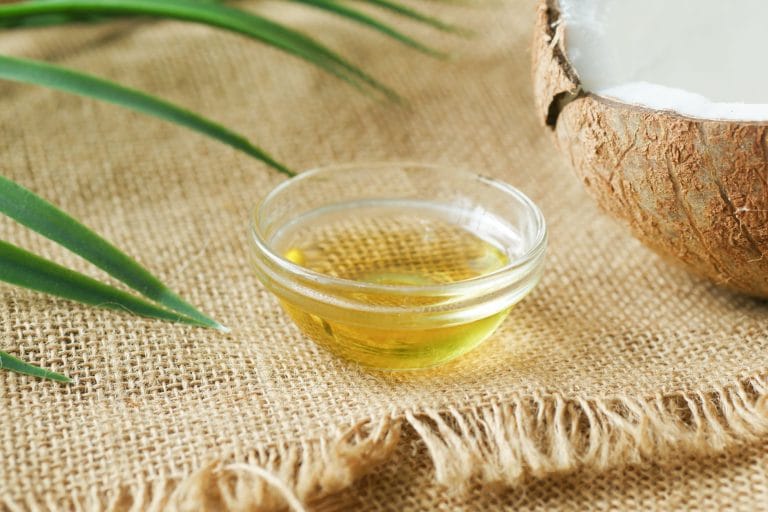
The real MCT oil benefits, sorted from the marketing: what the pooled trials found for weight, appetite, cholesterol and cognition, and the dose that actually appears in the research.
MCT oil is a concentrated supplement made mostly of caprylic and capric acid, two saturated fats short enough that your body absorbs and burns them faster than the fats in most cooking oils. It is the standard addition to keto coffee, and it is sold on a long list of promises.
Some of them hold. Several do not, and one of the claims in the previous version of this page was the opposite of what the trials found.
Key Takeaways
- MCT oil has no effect on LDL or HDL cholesterol and slightly raises triglycerides (1).
- Weight effect is real but small: about 0.51 kg versus long-chain fats, with commercial bias detected (2).
- It reduces later food intake, but not by changing peptide YY or leptin, which did not move (4).
- The doses in the research are roughly 11 to 19 g a day, about one tablespoon (5, 6).
- Eating carbohydrate alongside it blunts ketone production (6).
What MCT Oil Is
 Save
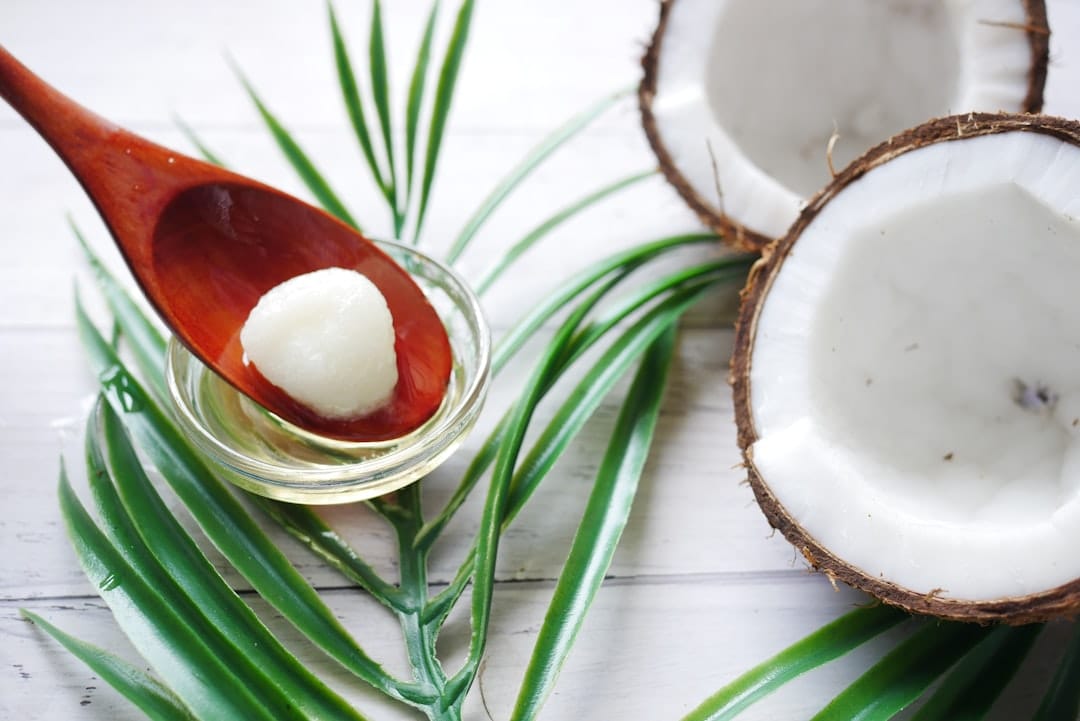
SaveMedium-chain triglycerides are fats with 6 to 12 carbon atoms in the chain. Shorter chains are absorbed more directly and reach the liver faster, where they are more readily converted to ketones. That part of the story is sound.
The confusion starts with what counts. Here is coconut oil, the raw material for most MCT supplements, broken down by the USDA (7).
| Fatty acid | Chain length | Per 100 g of coconut oil (7) | Counted as MCT? |
|---|---|---|---|
| Caproic, C6:0 | 6 carbons | 0.48 g | Yes |
| Caprylic, C8:0 | 8 carbons | 6.8 g | Yes — the main ketogenic one |
| Capric, C10:0 | 10 carbons | 5.39 g | Yes |
| Lauric, C12:0 | 12 carbons | 41.8 g | On labels, yes. In metabolism it behaves much more like a long-chain fat |
| Myristic, C14:0 | 14 carbons | 16.7 g | No |
| Palmitic, C16:0 | 16 carbons | 8.64 g | No |
By the strict definition the research uses, C6 to C10, coconut oil is about 12.7% medium-chain. The familiar figure of roughly 54% only appears if you include lauric acid, which is absorbed and handled much more like a long-chain fat. That is exactly why concentrated MCT oil exists: to give you the 12% and leave the rest behind.
The previous version of this page attributed this explanation to a named registered dietitian, complete with a direct quotation, without linking to anything. We could not verify the quotation, so it has been removed and replaced with the USDA’s own numbers. If you are comparing fats for everyday cooking, the olive oil comparison is the more practical page.
The Claims, One at a Time
| The claim you have read | What the pooled human evidence says | Verdict |
|---|---|---|
| MCT oil lowers LDL and raises HDL | A meta-analysis of randomised trials of MCT oil specifically found no effect on total cholesterol, LDL or HDL, and a small rise in triglycerides of 0.14 mmol/L. Compared against unsaturated oils it raised total and LDL cholesterol (1) | Not supported |
| MCT oil causes weight loss | 0.51 kg versus long-chain fats across 13 trials, with commercial bias detected by the authors (2). A 2024 analysis in people with overweight or obesity found a 1.53% greater weight reduction with pure MCT (3) | Real but small |
| MCT oil boosts peptide YY and leptin so you eat less | Seventeen studies, 291 people: MCT did moderately reduce later food intake, but there was little evidence of any effect on appetite ratings or on circulating hormones, peptide YY and leptin included (4) | Right outcome, wrong mechanism |
| MCT oil helps the brain | One 53-person crossover trial in mild to moderate Alzheimer’s found a real cognitive improvement, but the analysed group was the 46 people without the APOE4 variant, at 17.3 g a day for 30 days (5) | Narrow and specific |
| Because MCTs go straight to the liver, they do not get stored as fat | MCT oil still supplies roughly 8 kcal per gram. Surplus energy is surplus energy | False |
Three of those deserve expanding.
Cholesterol: the claim that was backwards
The old page said MCTs “have been shown to lower LDL and raise HDL”. A systematic review and meta-analysis in the Journal of Nutrition looked at exactly this question, restricted to trials of MCT oil made almost entirely of C6 to C10 fats, lasting at least two weeks.
Across seven trials it found no significant effect on total cholesterol, LDL cholesterol or HDL cholesterol, and a small increase in triglycerides of 0.14 mmol/L. The subgroup analysis matters more than the headline: when MCT oil replaced a predominantly unsaturated oil, total and LDL cholesterol went up (1).
That fits the wider picture. MCT oil is a saturated fat, and the American Heart Association’s advisory concluded that replacing saturated fat with polyunsaturated vegetable oil reduced cardiovascular events by around 30% in randomised trials (8). MedlinePlus’s plain-language summary of saturated fat is worth five minutes if this is new (9).
Note one honest wrinkle: in the Alzheimer’s trial, total cholesterol and HDL were both higher in the MCT group than on canola oil (5). Nothing in the literature supports MCT oil as a cholesterol treatment.
Appetite: right answer, wrong explanation
The old page said MCTs “boost peptide YY and leptin”. A systematic review of 17 studies in 291 people tested precisely that. It found a statistically significant moderate reduction in how much people ate afterwards, both acutely and with regular intake, but little evidence of any effect on subjective appetite ratings or on the circulating hormones, with peptide YY, leptin, GLP-1 and ghrelin all on the list (4).
So the outcome survives and the mechanism does not. People eat a bit less after MCT; the reason is not yet known.
Cognition: one narrow finding
There is a genuine result here, and it is more specific than “MCT oil is good for the brain”. Fifty-three people with mild to moderate Alzheimer’s took either MCT jelly or canola jelly three times a day for 30 days each, in a double-blind crossover. Cognitive scores improved 2.62 points on MCT and worsened 2.57 points on placebo. The analysed sample was the 46 participants without the APOE4 variant who completed both phases, and the daily dose was 17.3 g (5).
That is a promising signal in one group, in one trial, for 30 days. It is not evidence that a spoonful in your coffee protects a healthy brain, and the previous page’s claims about anti-inflammatory cytokine effects, antioxidant capacity in brain cells and topical use for acne have been removed for the same reason: cell and laboratory findings, not human ones.
Dose, Timing and Coffee
 Save
SaveThe old page suggested “up to about 4 to 7 tablespoons across a day”. That is roughly 56 to 98 g of pure fat, somewhere between 460 and 810 calories of it, and far beyond anything used in the trials. It has been replaced.
The realistic numbers, taken from the studies themselves, are 11 to 19 g of caprylic acid (6) and 17.3 g of MCT a day in the cognition trial (5). That is about one tablespoon, or one and a half at the top end.
Start at a teaspoon and build up over a week or two. Taking too much too quickly is the single most common problem people report with MCT oil, and it presents as cramping, nausea and diarrhoea.
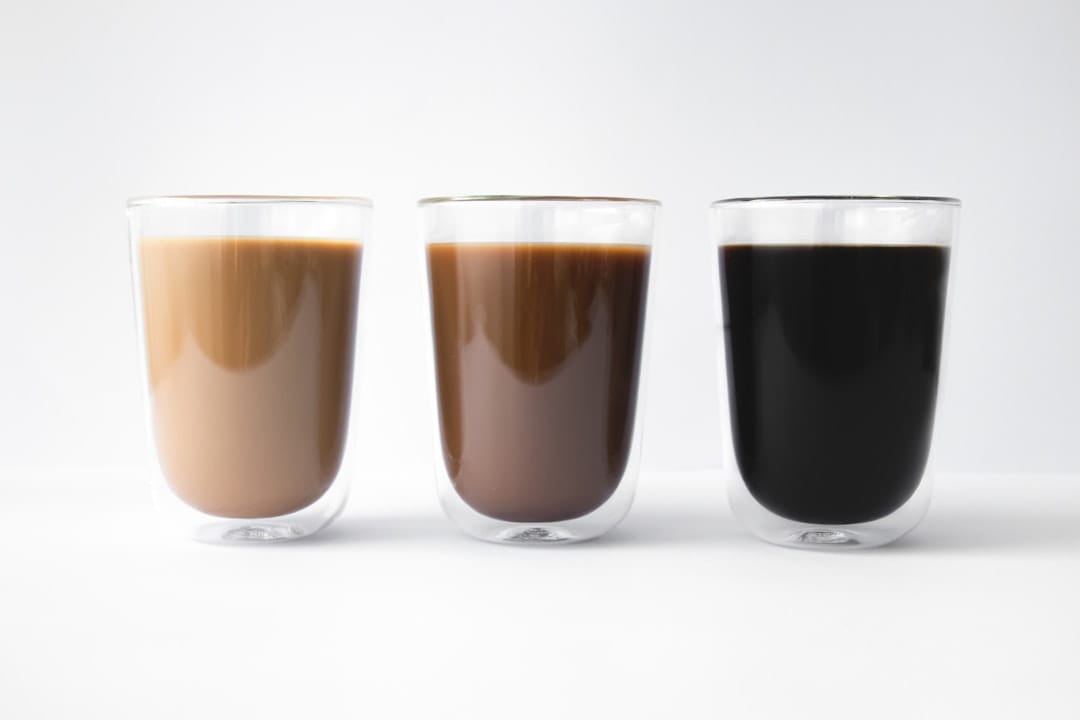
On the coffee question, there is a useful detail most pages miss. A systematic review of caprylic acid and ketogenesis found that ketone production was lower when C8 was taken together with carbohydrate than when it was taken alone, and that an 11 g dose did not produce significantly fewer ketones than a 19 g dose (6). If ketones are the point, the oil works better in black coffee than alongside a carbohydrate breakfast, and a bigger spoonful is not the lever you think it is.
Practical notes:
- It stays liquid at room temperature, so it stirs into coffee, smoothies and dressings
- Do not fry with it; its smoke point is low, so add it after cooking
- Count the calories. A tablespoon is roughly 115 kcal, and it is easy to forget a liquid
- If you are using it inside a low-carb pattern, these keto recipes give it somewhere to go
- For weight loss, a workable calorie deficit does far more than any oil
Where to Be Careful
The realistic downsides are digestive and nutritional rather than dramatic. Too much at once causes stomach cramps, nausea and diarrhoea. The oil supplies energy and nothing else, so if it displaces food, it displaces nutrients with it.
Because MCT oil contains essentially no essential fatty acids, it should not be used as a replacement for the fats in your diet, only as an addition to them. Anyone with liver disease should raise it with their doctor before starting, since medium-chain fats are delivered to the liver quickly and in quantity.
And the general point stands: this is a saturated fat, and the evidence on saturated fat and cardiovascular risk is among the more settled areas in nutrition (8, 9). If insulin or blood sugar is your concern, the insulin resistance guide is a better starting point than a supplement, and if you want fat in a drink, a homemade shake at least brings protein with it.
Frequently Asked Questions
Does MCT oil actually work for weight loss?
A little. Pooled randomised trials found replacing long-chain fats with MCTs produced about 0.51 kg more weight loss, and a 2024 analysis in people with overweight or obesity found a 1.53% greater reduction with pure MCT oil. Both are real and both are small, and the authors of the first noted that commercial bias was detectable across the trials. Treat it as a minor tailwind, not an engine.
Is MCT oil good for cholesterol?
No, and this is the claim that needed correcting most. A systematic review of randomised trials of MCT oil found no effect on total cholesterol, LDL or HDL, and a small increase in triglycerides. When the comparison oil was an unsaturated one, MCT oil actually raised total and LDL cholesterol. MCT oil is a saturated fat, and it is worth remembering that when it goes in every morning.
How much MCT oil should I take?
The trials that show something useful sit around 11 to 19 g of caprylic acid, or about 17 g of MCT a day in the Alzheimer’s study. That is roughly one to one and a half tablespoons. Start with a teaspoon, because the usual first experience of too much too soon is cramping, nausea and an urgent trip to the bathroom.
Is MCT oil the same as coconut oil?
No. By the strict definition used in the research, C6 to C10, coconut oil is only about 12.7% medium-chain. The often-quoted figure near 54% only works if you count lauric acid, which is the single biggest fat in coconut oil at 41.8 g per 100 g and which your body handles much more like a long-chain fat.
Will MCT oil in my coffee put me in ketosis?
It raises ketones, but what you eat alongside it matters. A systematic review found ketone production was lower when caprylic acid was taken with carbohydrate than when it was taken alone, and that the difference between an 11 g and a 19 g dose was not significant. An MCT coffee next to toast will do noticeably less than an MCT coffee on its own.
The Bottom Line
MCT oil does something. It raises ketones, it reduces how much people eat afterwards, and it produces a small weight advantage over ordinary fats. What it does not do is improve your cholesterol, and the claim that it does was the opposite of what the trials found. The cognition result is real and narrow: one crossover trial, 17 g a day, in people with Alzheimer’s who did not carry APOE4. Use about a tablespoon, build up slowly, take it away from carbohydrate if ketones are the goal, and count its calories like any other fat. It is a small tool, and it has been sold as a large one.
This article is for informational purposes only and isn’t a substitute for professional medical advice. Talk with your doctor or a registered dietitian before adding MCT oil or any supplement to your routine, especially if you have liver disease, high cholesterol or take medication.
Related Articles
Olive Oil vs Vegetable Oil: The Honest Answer
Keto Diet Recipes: Easy Breakfasts, Desserts and Safety
Insulin Resistance Diet: What the Evidence Backs
Calorie Deficit Diet Guide for Safe Weight Loss