
How the 3-day diet plan works, a balanced sample menu, what you can realistically expect, and why the numbers on the scale can be misleading.
The 3-day diet plan is a short-term eating plan in which you follow a set, low-calorie menu for three days, then return to more normal eating for the rest of the week. The idea is simple: eat noticeably less for a few days to kick-start weight loss without committing to a long diet.
There is no research on the 3-day diet itself, so its claims should be judged against what is known about calorie restriction in general. This guide explains how the plan works, gives a balanced 3-day meal plan, and covers what the evidence says about losing weight quickly.
Key Takeaways
- The 3-day diet cuts calories on three days of the week. There are no studies testing this specific plan.
- Most of the fast drop on the scale is water, because glycogen is stored with three to four parts water (3).
- Diets of 800 calories or less lead to faster initial loss but more regain, and rapid weight loss raises gallstone risk (1, 5).
- Restricting calories on some days works about as well as cutting calories every day (6).
- Steady weight loss of about 1 to 2 pounds a week is a common, realistic target (1, 2).
How the 3-Day Diet Plan Works
 Save
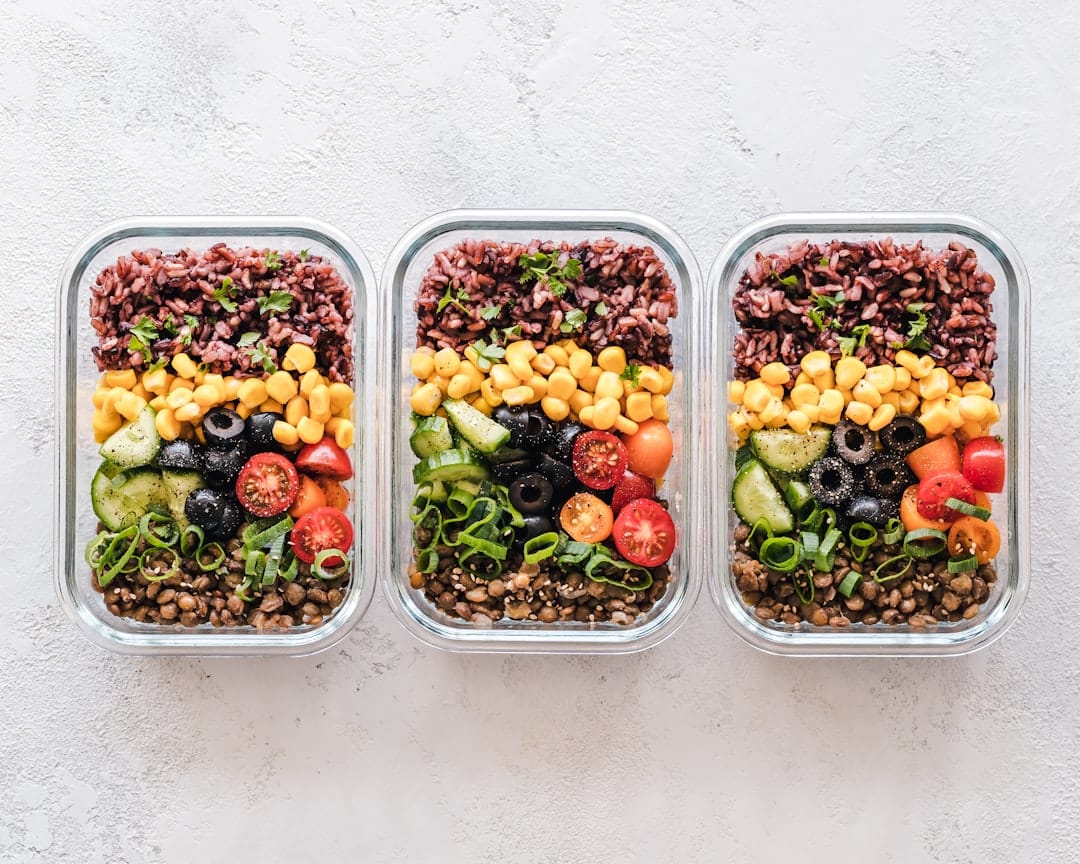
SaveMost versions of the 3-day diet follow the same pattern: three days of eating a set, reduced-calorie menu, followed by four days of more normal eating. Some versions, including the popular “military diet,” prescribe very specific foods and portions. Others, like the sample plan below, simply use balanced, lower-calorie meals.
There is nothing special about the number three. Any weight you lose comes from eating fewer calories than you burn. Claims that alternating low- and higher-calorie days “stops your metabolism from plateauing” are not supported by research on this diet. What studies do show is that intermittent approaches, such as alternate-day or whole-day fasting, produce weight loss similar to continuous calorie restriction (6). For more on that approach, see our intermittent fasting guide and our look at the metabolic confusion diet.
How Many Calories Does It Involve?
Versions vary, but many 3-day diets land somewhere between about 800 and 1,200 calories on diet days. For context, a common weight-loss guideline is about 1,000 to 1,200 calories a day for women and 1,200 to 1,600 calories for men or heavier people who exercise, or a daily deficit of 500 to 1,000 calories, which leads to roughly 1 to 2 pounds of weight loss a week (1).
Diets of 800 calories or less are classed as very-low-calorie diets. They produce greater initial weight loss, but the results are often not maintained, and people who used them regained more weight than those on other approaches (1). Rapid weight loss on very-low-calorie diets also increases the risk of symptomatic gallstones (5). If a version of the plan takes you this low, talk to your doctor first.
Sample 3-Day Meal Plan
 Save
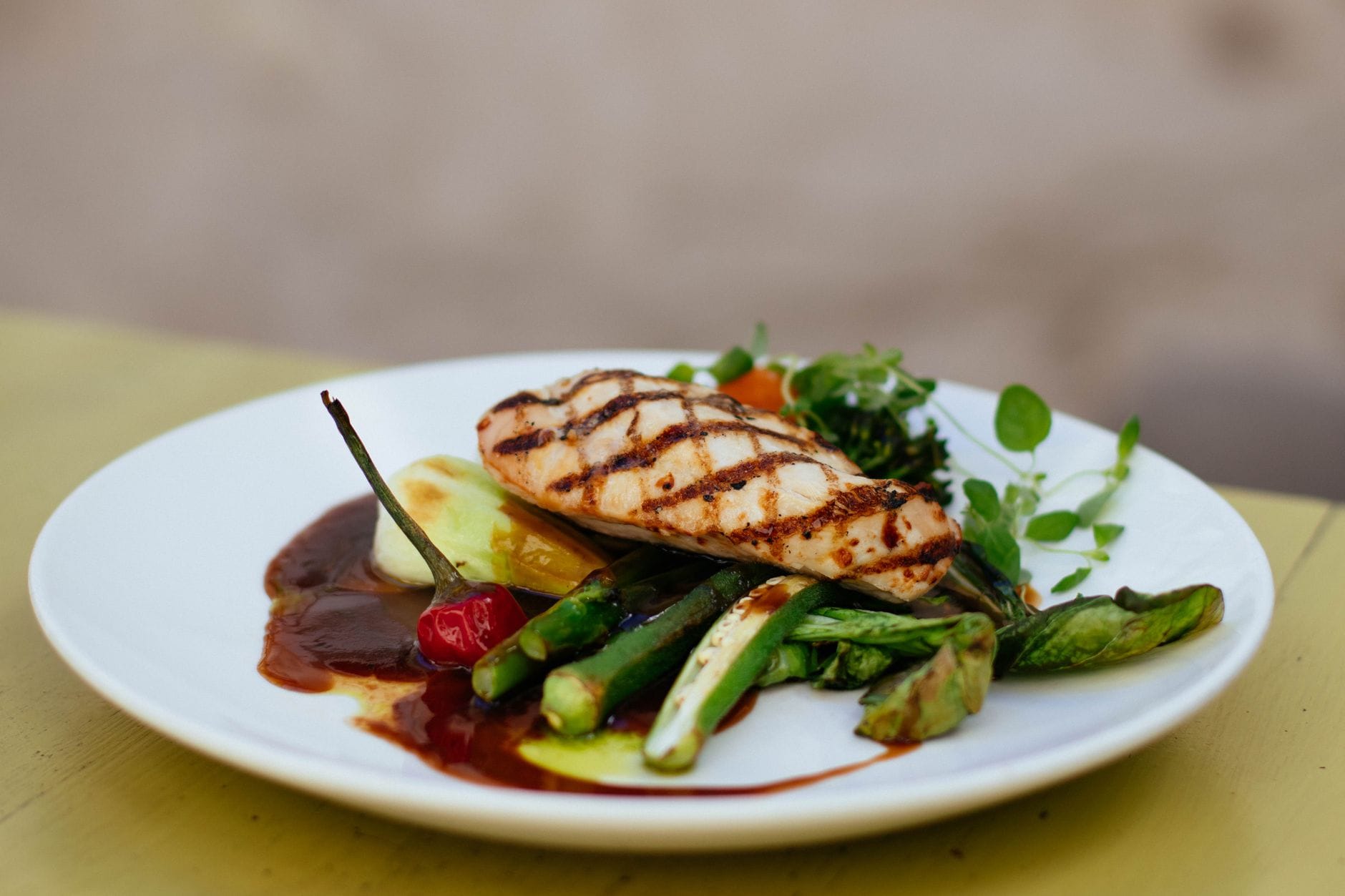
SaveThis sample plan uses balanced meals with protein, vegetables, and whole grains at every meal rather than an extreme calorie cap. Adjust portions to your size and activity, aiming for a moderate deficit.
| Day | Breakfast | Lunch | Dinner | Snack |
|---|---|---|---|---|
| Day 1 | Oatmeal made with low-fat milk, topped with berries and a few chopped nuts | Grilled fish or tofu with asparagus, tomatoes and a small portion of brown rice | Chicken or bean stew with herbs and a large mixed salad | An apple or a cup of baby carrots |
| Day 2 | Vegetable omelet (2 eggs) with a slice of whole-grain toast | Grilled chicken or chickpeas with broccoli, spinach and carrots | Lentil or chicken vegetable soup with a side salad | Plain yogurt with a few berries |
| Day 3 | Plain Greek yogurt with sliced fruit and a spoon of oats | Tuna or bean salad with leafy greens, cherry tomatoes and olive oil dressing | Baked bell pepper stuffed with lean mince or lentils, plus steamed vegetables | A pear or cucumber sticks with hummus |
Easy swaps: use tofu, beans, or eggs instead of chicken or fish; quinoa or whole-grain bread instead of brown rice; and any non-starchy vegetable you prefer. Whole grains are linked to a modest benefit for body weight and waist size (8). Vegetarians can follow our vegetarian weight loss meal plan.
Drinks: water, unsweetened tea, and black coffee. In one trial, adults on a calorie-reduced diet who drank 500 ml of water before each main meal lost about 2 kg more over 12 weeks than those who did not (7).
What Results to Expect
You may see a quick drop on the scale in the first few days. Much of that is water: your body stores carbohydrate as glycogen with three to four parts water, and when glycogen is used up, the water goes with it. When you eat normally again, glycogen and water return, which explains quick rebounds (3).
Regaining weight is common after any diet. In a randomized trial, people who lost weight quickly and people who lost it gradually regained a similar proportion within three years (4). People who lose weight at a steady pace of about 1 to 2 pounds a week are more likely to keep it off (2). Other habits matter too: in a year-long weight-loss program, better sleep health was linked to greater weight and fat loss (9).
For a more sustainable approach, set up a moderate calorie deficit, or try a structured plan like the 1,500-calorie diet.
Who Should Avoid It
Talk to your doctor before trying any low-calorie plan, and avoid the 3-day diet if you:
- Are pregnant or breastfeeding, or are a child or teenager.
- Have diabetes, especially if you take insulin or medicines that can cause low blood sugar.
- Have kidney, liver, or heart disease, or gallbladder problems.
- Have a history of disordered eating.
Stop and eat if you feel dizzy, shaky, faint, or unwell.
Similar Short-Term Diets
The 3-day diet belongs to a family of quick-fix plans. The military diet is a strict version built around fixed foods. The cabbage soup diet is a seven-day version with similar trade-offs.
Frequently Asked Questions
How much weight can you lose in 3 days?
Often a few pounds on the scale, but much of it is water rather than fat. When you cut calories and carbohydrates, your body uses stored glycogen, which is held with three to four parts water, and that weight tends to return when you eat normally again.
Does the 3-day diet work?
It can create a short-term calorie deficit, but there is no research on the 3-day diet itself. Studies of diets that restrict calories on some days show results similar to cutting calories every day, so the best plan is the one you can keep up.
Is it safe to eat 800 calories a day?
Diets of 800 calories or less are classed as very-low-calorie diets. They produce faster initial weight loss, but the weight is often regained, and rapid weight loss raises the risk of gallstones. Talk to your doctor before eating that little, especially if you have a health condition.
How many calories should I eat to lose weight?
A common guideline is about 1,000 to 1,200 calories a day for women and 1,200 to 1,600 for men or heavier, active people, or a deficit of 500 to 1,000 calories a day, which leads to about 1 to 2 pounds of weight loss a week.
What is the best way to lose weight in 3 days?
There is no safe way to lose meaningful fat in 3 days. For a short-term reset, eat balanced meals with protein, vegetables and whole grains, drink water, cut back on sugary drinks and snacks, and sleep well, then keep those habits going.
The Bottom Line
The 3-day diet plan cuts calories for three days a week. It can create a short-term deficit, but there is no research on the plan itself, much of the early loss is water, and very low calorie versions carry a higher risk of regain and gallstones. If you use it, choose balanced meals like the sample plan above, avoid dropping to 800 calories or less without medical advice, and move on to a steady, sustainable way of eating, such as a balanced diet, to keep the weight off.
This article is for informational purposes only and is not a substitute for professional medical advice, diagnosis, or treatment. Always consult a qualified healthcare provider before starting any diet, especially if you have an existing health condition, are pregnant, or are breastfeeding.
Related Articles
How to Set Up a Calorie Deficit Without Wrecking Your Energy (or Your Muscle)
Intermittent Fasting for Beginners: 6 Methods and What Works
Cabbage Soup Diet: 7-Day Plan, Recipe, and Real Results
Vegetarian Diet Plan for Weight Loss: 7-Day Meal Plan