
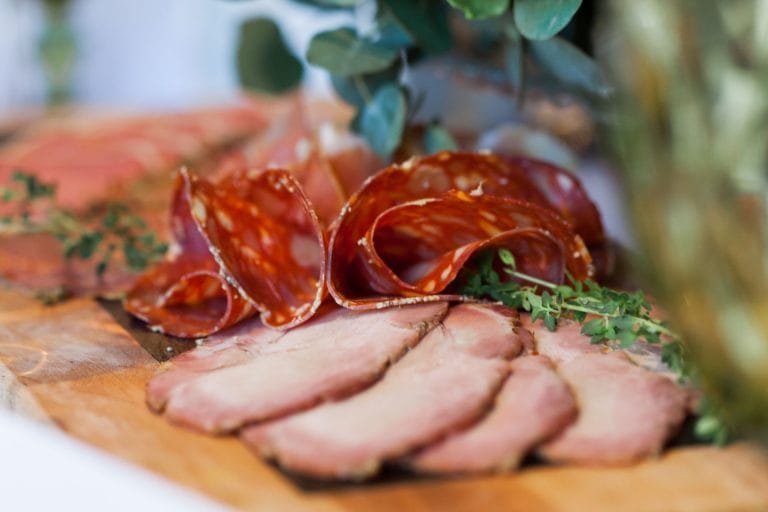
Processed meat is a Group 1 carcinogen, in the same category as tobacco smoke. That fact is true and almost universally misunderstood. Here is what it actually means.
Processed meat sits in Group 1 of the World Health Organization’s cancer classification, alongside tobacco smoking and asbestos. Headlines have used that comparison for a decade, and it is deeply misleading — not because it is false, but because of what the groups measure.
Two things are true at once. The evidence that processed meat causes colorectal cancer is strong. The increase in risk is small. Both come from the same WHO page.
Key Takeaways
- Group 1 means sufficient evidence that it causes cancer — not that the risk is large (1).
- WHO: the categories measure strength of evidence, not likelihood of cancer at a given exposure (1).
- Every 50 g a day is estimated to raise colorectal cancer risk by about 18% — a relative figure (1).
- WHO’s own wording: processed meat was associated with small increases in risk (1).
- In the largest bias assessment, 25 of 29 studies had a serious risk of bias (3).
What Group 1 Actually Means
| What it means | What it does NOT mean | |
|---|---|---|
| Group 1 — where processed meat sits | There is sufficient evidence in humans — convincing evidence that it causes cancer (1) | That the risk is large. The groups rank strength of evidence, not size of risk (1) |
| Group 2A — where red meat sits | Probably carcinogenic: limited evidence from observational studies plus strong mechanistic evidence (1) | That eating it will give you cancer |
| The distinction IARC draws | Hazard assessment — is this capable of causing cancer at all? (1) | Risk characterisation — how likely is cancer at a given level of exposure? (1) |
This is the part worth reading twice, because it is where every alarming headline goes wrong.
WHO states it directly: the categories of the classification indicate the strength of the evidence as to whether a substance is capable of causing cancer — technically a hazard assessment — but it does not measure the likelihood that cancer will occur at a particular level of exposure, which is called risk characterisation (1).
So processed meat and tobacco share a category because the evidence that both can cause cancer is considered sufficient. They are not in that category because they carry comparable risk. Nothing in the classification claims they do.
Group 1 is applied when there is sufficient evidence of carcinogenicity in humans, usually from epidemiological studies showing cancer developing in exposed people (1). For processed meat, that evidence points specifically to colorectal cancer, with a suggested link to stomach cancer that WHO says is not firm enough to conclude (1).
Red meat is separate. It sits in Group 2A, probably carcinogenic, based on limited observational evidence plus strong mechanistic evidence (1).
The evaluation came from an IARC working group of 22 experts from 10 countries (1), published as a summary in The Lancet Oncology (2).
The Numbers, In Context
| Finding | Number | Source |
|---|---|---|
| Colorectal cancer risk per 50 g of processed meat a day | About 18% higher | Analysis of 10 studies, cited by WHO (1) |
| Colorectal cancer risk per 100 g of red meat a day, if the link is causal | About 17% higher | Same studies (1) |
| High versus low processed meat intake, colorectal cancer | Relative risk 1.13 (95% CI 1.01–1.26) | 29 prospective cohorts (3) |
| Same, colon cancer specifically | Relative risk 1.19 (1.09–1.31) | (3) |
| Experts on the IARC working group | 22 experts from 10 countries | (1), (2) |
The headline figure is that every 50 gram portion of processed meat eaten daily increases the risk of colorectal cancer by about 18%, from an analysis of 10 studies (1).
That is a relative increase. It tells you how much your own baseline risk shifts, not what your chances become. An 18% rise applied to a small baseline risk stays a small number in absolute terms, which is exactly why WHO’s own summary describes these as small increases in the risk of cancer (1). Both statements are accurate at the same time, and most articles print only one of them.
An independent meta-analysis of 29 prospective cohort studies put the figure a little lower: a relative risk of 1.13 comparing high with low intake, and 1.19 for colon cancer specifically (3).
How Good Is The Evidence, Honestly
Having given the case, it is only fair to give the weaknesses, because they are real and rarely mentioned.
That same meta-analysis of 29 cohorts formally assessed the internal validity of every study it included. The result: 25 of the 29 had a serious risk of bias, two had a critical risk, and only two were rated moderate (3). The domains most often flagged were confounding, missing data and selective outcome reporting (3). The authors concluded that their own findings warrant a cautious interpretation (3).
Then there is the 2019 controversy. A research group published systematic reviews in Annals of Internal Medicine covering 118 articles from 56 cohorts with more than 6 million participants for cancer outcomes (4), and 61 articles from 55 cohorts with over 4 million participants for mortality and cardiometabolic outcomes (5). They found low to very low certainty evidence, and that reducing intake by three servings a week was associated with only a very small reduction in risk (4), (5).
Those reviews were sharply criticised, but they were not fringe work, and the disagreement is genuine: observational data can establish a consistent association without settling how much of it is cause.
None of this overturns the WHO classification. It does mean the honest summary is “consistent evidence of a small effect, from studies with known limitations” rather than “proven danger” or “nothing to see”.
What Counts As Processed Meat
 Save
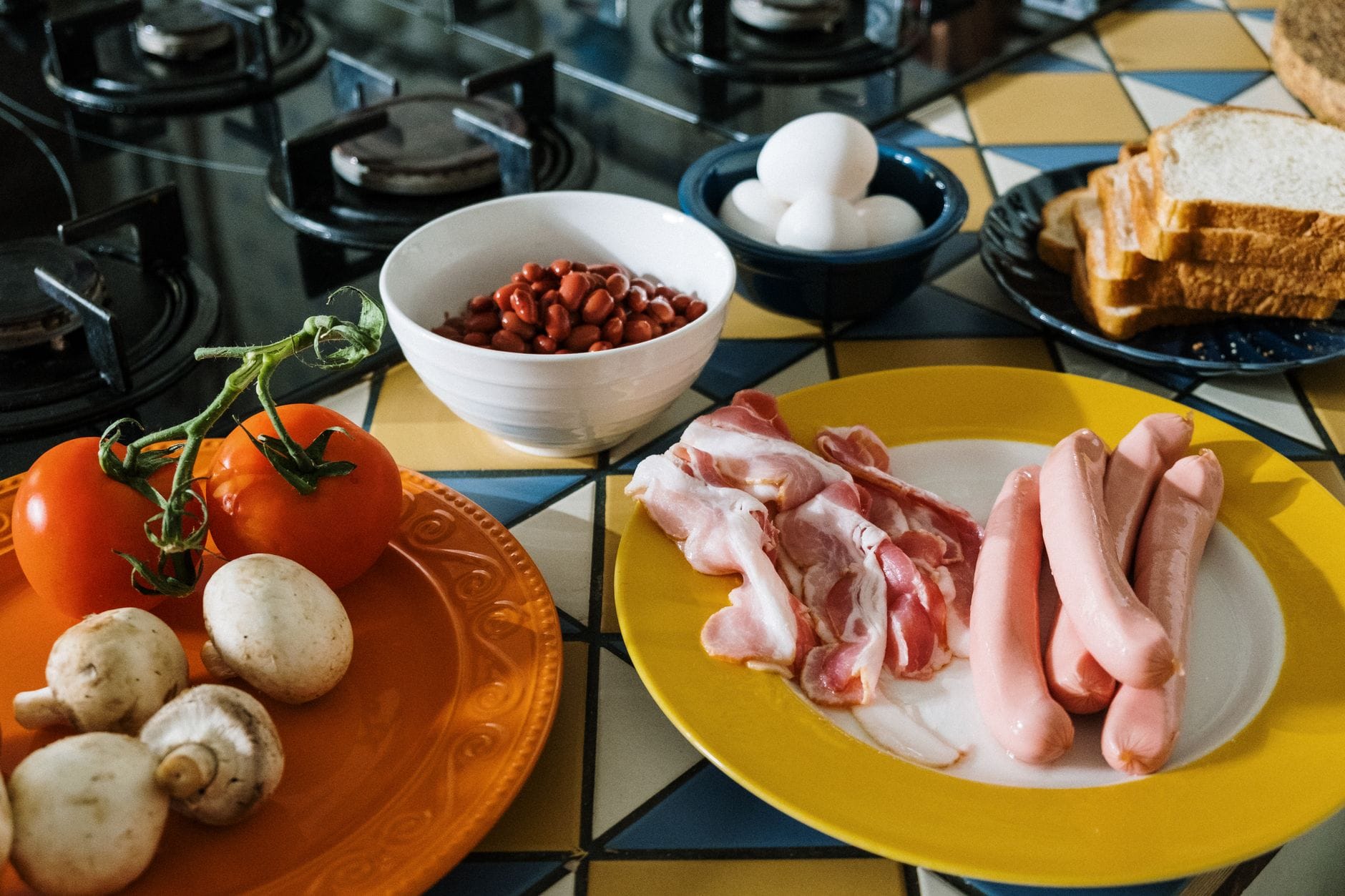
SaveWHO’s definition is about the process, not the animal: meat transformed through salting, curing, fermentation, smoking or other processes to enhance flavour or improve preservation (1).
The examples given are hot dogs and frankfurters, ham, sausages, corned beef, biltong and beef jerky, plus canned meat and meat-based preparations and sauces (1).
That catches what people do not expect: smoked turkey, chicken sausages and cured poultry are all processed meat. Fresh mince or a plain pork chop is red meat, the separate Group 2A category (1).
Heart Disease And Diabetes
An umbrella review of 29 reviews applied Bradford Hill’s criteria for causation to both outcomes (6). For cardiovascular disease, observational studies consistently reported weak associations while experimental studies were predominantly not significant, which the authors described as lacking coherence (6). For type 2 diabetes, processed meat showed consistently strong associations — and for the food side of managing that, see our guide to lowering blood sugar (6).
Their conclusion: red and processed meat intakes are not likely causally related to cardiovascular disease, but there is potential for a causal relationship with type 2 diabetes (6).
How Much Is Safe
WHO does not give a number, and says so plainly: the risk increases with the amount consumed, but the data available did not permit a conclusion about whether a safe level exists (1). A guideline on the optimal intake of animal-source foods is currently being developed (1).
What WHO does say is that meat can be part of a healthy diet and provides nutrients important for good health, while many national dietary guidelines recommend limiting processed and red meat because higher intakes are linked to increased risk of heart disease, type 2 diabetes and some cancers (1).
The practical reading: the 50 gram figure is per day, every day. Occasional ham is a different exposure from a daily sandwich. Reducing frequency is a more realistic response than elimination, and building meals around fibre-rich foods is the easier way to do it, and an ordinary balanced diet with meat as a smaller part of it is what the guidelines actually describe.
If you are replacing processed meat with something, the leanest swaps are seafood: 100 g of cooked scallops carries 20.5 g of protein and 0.218 g of saturated fat.
Frequently Asked Questions
Does processed meat really cause cancer?
The World Health Organization classifies processed meat as Group 1, carcinogenic to humans, based on sufficient evidence from epidemiological studies that it causes colorectal cancer. That classification is about whether it can cause cancer at all, not about how much it raises your chances. WHO is explicit on this point: the categories indicate the strength of the evidence, technically a hazard assessment, and do not measure the likelihood that cancer will occur at a particular level of exposure. WHO also states plainly that the consumption of processed meat was associated with small increases in risk in the studies reviewed.
How much does processed meat raise cancer risk?
An analysis of data from 10 studies estimated that every 50 gram portion of processed meat eaten daily increases the risk of colorectal cancer by about 18%. That is a relative increase, not an absolute one, which is why the same figure can sound alarming and be modest at the same time: 18% more of a small baseline risk is still a small number. A separate meta-analysis of 29 prospective cohort studies found a relative risk of 1.13 for high versus low intake, so around a 13% increase.
What counts as processed meat?
WHO defines it as meat transformed through salting, curing, fermentation, smoking or other processes to enhance flavour or improve preservation. The examples given are hot dogs or frankfurters, ham, sausages, corned beef, biltong and beef jerky, as well as canned meat and meat-based preparations and sauces. Note that this is about the process, not the animal: smoked turkey or chicken sausage is processed meat too. Fresh beef, lamb or pork is red meat, a separate Group 2A classification.
Is the evidence actually strong?
This is where honest reporting gets uncomfortable. The meta-analysis of 29 cohort studies that found a modest association also assessed the internal validity of those studies, and the result was poor: 25 of the 29 had a serious risk of bias, two had a critical risk, and only two were rated moderate. The problem areas were confounding, missing data and selective outcome reporting. The authors themselves warned that their findings warrant cautious interpretation. So the association is consistent, but it rests on observational research with real weaknesses.
Why do some experts say not to change your diet?
In 2019 a group published systematic reviews in Annals of Internal Medicine covering 118 articles from 56 cohorts with more than 6 million participants for cancer, and 61 articles from 55 cohorts with over 4 million participants for mortality and cardiometabolic outcomes. Their conclusion was that the evidence was of low or very low certainty and that reducing intake by three servings a week was associated with only a very small reduction in risk. The reviews were heavily criticised, but they were not fringe work, and they illustrate a real disagreement about how much the observational data can support.
What about heart disease and diabetes?
An umbrella review of 29 reviews applied Bradford Hill’s criteria for causation to both outcomes. For cardiovascular disease, observational studies consistently reported weak associations and experimental studies were mostly not significant, which lacked coherence. For type 2 diabetes, processed meat showed consistently strong associations. Its conclusion was that red and processed meat intakes are not likely causally related to cardiovascular disease, but that there is potential for a causal relationship with type 2 diabetes.
The Bottom Line
Processed meat is classified Group 1 because the evidence that it causes colorectal cancer is considered sufficient, and that classification says nothing about how big the risk is. WHO makes the distinction explicit and describes the increases as small: about 18% per 50 grams a day, in relative terms, from an analysis of 10 studies. The supporting research is consistent but imperfect, with 25 of 29 cohort studies in one assessment carrying a serious risk of bias, and a major 2019 review finding only low-certainty evidence. For heart disease a causal link is unlikely; for type 2 diabetes it is plausible. The sensible response is neither panic nor dismissal: treat processed meat as something to eat less often rather than something to fear, and remember that the 50 gram figure describes a daily habit, not a sandwich.
This article is for informational purposes only and is not a substitute for professional medical advice. Speak to your doctor or a registered dietitian for advice on your own diet, particularly if you have a personal or family history of bowel cancer, inflammatory bowel disease, or type 2 diabetes.
Related Articles
Balanced Diet Guide With the 5 Food Groups
High Fiber Foods List and How Much Fiber You Need
Low-Glycemic Diet: GI Food List, Benefits and Limits
How to Lower Blood Sugar Naturally: 8 Evidence-Based Habits