

What research shows about camphor benefits for skin, pain, coughs and hair, and the serious safety risks you need to know first.
Camphor is a strong-smelling compound obtained from the camphor tree (Cinnamomum camphora) or made from turpentine. It is widely used in topical analgesics and rubefacients for minor muscle aches and pains, in vapor rubs, and as a fragrance (1).
Lab studies show camphor has antimicrobial, anti-pain and antitussive activity, but camphor is also a very toxic substance, and many cases of camphor poisoning have been documented (1). Before looking at the possible camphor benefits, it is important to understand how to use it safely.
Key Takeaways
- Camphor is used in rubs for minor muscle aches and in vapor rubs for cold symptoms (1).
- In a randomized trial, a vapor rub improved children’s night-time cough, congestion and sleep compared with no treatment (6).
- Claims for wrinkles, burns and nail fungus come from lab or animal studies, and there is no research on hair growth (9, 10, 11).
- Camphor is toxic: in young children, as little as 500 mg has been linked to death (3).
- Never swallow camphor, and keep camphor products away from children (2, 4).
What Is Camphor?
Camphor is a natural compound traditionally distilled from the wood of the camphor tree and also found in the essential oils of many aromatic plants; it can also be made chemically from turpentine (1). It is used in cosmetics, household products, and over-the-counter “cold” medicines, chest rubs, muscle rubs and cold sore products (1, 3).
Camphor Benefits: What the Research Shows
| Claimed benefit | What research shows | Evidence |
|---|---|---|
| Muscle and joint pain | Small human studies of multi-ingredient products containing camphor, menthol and other oils reported pain relief (7, 8) | Low (small or industry-linked studies) |
| Night-time cough and congestion in children | Randomized trial: a vapor rub improved parent-rated cough, congestion and sleep in children aged 2 to 11 compared with no treatment, with more mild skin irritation (6) | Moderate (one trial) |
| Wrinkles and skin aging | Increased collagen in skin cells and reduced UV wrinkles in mice (9) | Lab and animal only |
| Burn healing | Ointment of sesame oil, camphor and honey sped burn healing in rats (10) | Animal only |
| Nail fungus | Camphor, menthol and thymol inhibited nail fungus in lab dishes (11) | Lab only |
| Hair growth | No studies found | None |
Pain relief
Camphor is a common ingredient in topical rubs for minor muscle aches (1). Human evidence comes from multi-ingredient products. In a 14-day pilot study of 20 people conducted by the manufacturer, a spray containing camphor, menthol, clove, eucalyptus, turpentine and wintergreen oils relieved mild to moderate muscle and joint pain (7). In a randomized placebo-controlled trial in 62 people with plantar fasciitis, a solution of plant terpenes including camphor and menthol reduced heel pain over 10 days; the lead author consults for companies that market such products (8). Because these products contain several ingredients, the effect of camphor alone is unclear.
Cough and congestion
In a randomized trial of 138 children aged 2 to 11 with colds, parents rated a vapor rub applied to the chest and neck at bedtime better than petrolatum or no treatment for night-time cough, congestion and sleep. Mild skin irritation was more common with the vapor rub (6). Camphor has shown antitussive activity in lab research (1).
Skin
 Save
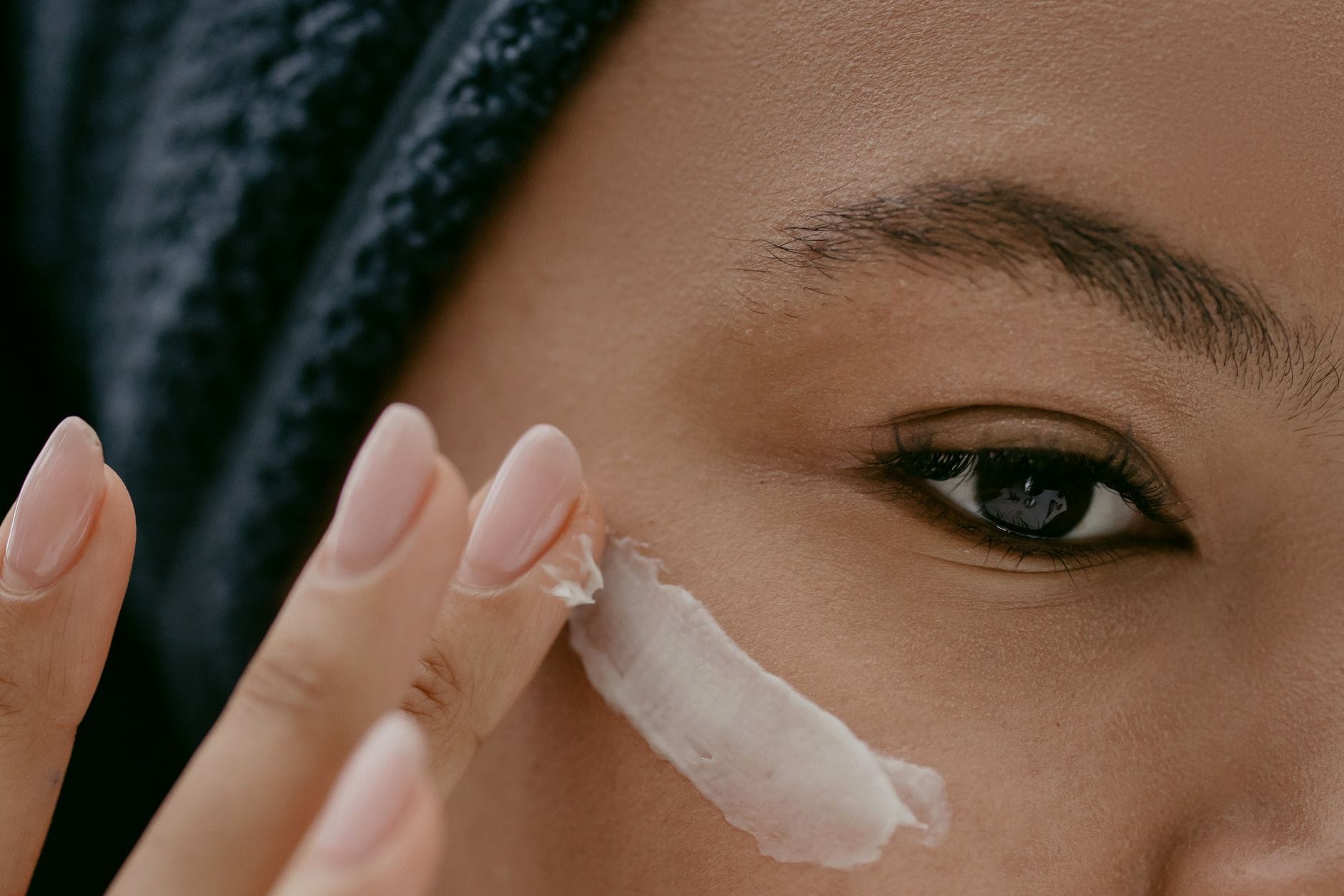
SaveIn a laboratory study, camphor increased collagen and elastin production in human skin cells and reduced UV-induced wrinkles in mice (9). In rats with second-degree burns, an ointment made from sesame oil, camphor and honey healed wounds faster than petroleum jelly (10). In lab dishes, camphor, menthol, thymol and eucalyptus oil inhibited fungi that cause nail infections (11). None of these effects has been confirmed in human trials, and camphor should not be applied to burns or broken skin at home, because it is absorbed through the skin (4).
Hair
Camphor oil is often promoted for hair growth, but we found no studies supporting this. Given camphor’s toxicity, homemade camphor hair treatments are not recommended.
Camphor Side Effects and Poisoning Risk
Camphor is one of the most important safety concerns of any home remedy ingredient:
- Common exposures: US poison centers recorded about 10,000 ingestion exposures to camphor-containing products each year between 1990 and 2003 (2).
- Small doses are dangerous for children: in children, as little as 500 mg has been cited as a cause of death, and 750 to 1,000 mg is associated with seizures. A product with 10% camphor contains 500 mg in just 5 mL (3).
- Fast onset: symptoms can begin within 5 to 15 minutes and include confusion, restlessness, hallucinations, muscle twitching, and seizures (5).
- Skin and inhalation: camphorated and essential oils can be absorbed through the mouth and the skin (4), and moderate to severe toxicity can occur by any route of exposure (2).
A poison center guideline recommends emergency department care for anyone who has swallowed more than 30 mg/kg of a camphor product or who has symptoms such as convulsions, lethargy, unsteadiness, or severe nausea and vomiting. Vomiting should not be induced. After skin contact, wash the skin with soap and water; after inhalation, move to fresh air (2).
How to use camphor products safely
- Use only commercial products, exactly as directed on the label, and on intact skin.
- Never swallow camphor or put it in or near the mouth, nose or eyes.
- Do not heat camphor products or apply them to broken skin or burns.
- Store all camphor products out of reach of children, and call a poison center immediately if a child swallows any (2, 3).
- Talk to a doctor before using camphor if you are pregnant, breastfeeding, or have a seizure disorder.
Frequently Asked Questions
What are the benefits of camphor?
Camphor is used in topical rubs for minor muscle aches and in vapor rubs for cold symptoms. A randomized trial found a vapor rub eased children’s night-time cough and congestion, and small studies of camphor-containing pain products reported relief. Claims for wrinkles, burns, nail fungus and hair growth come from lab or animal studies or have no evidence.
Is camphor good for hair growth?
There are no studies showing that camphor helps hair grow. Because camphor can be absorbed through the skin and is toxic in larger amounts, avoid applying homemade camphor mixtures to your scalp.
Is camphor safe to put on skin?
Commercial camphor products used as directed on intact skin are generally used safely by adults, but camphor is absorbed through the skin. Do not apply it to broken skin, and keep camphor products away from children.
How much camphor is dangerous?
In young children, ingesting as little as 500 mg of camphor has been linked to death, and 750 to 1,000 mg to seizures. A product containing 10% camphor has 500 mg in 5 mL. Poison center guidelines recommend emergency care for anyone who swallows more than 30 mg/kg.
What should I do if a child swallows camphor?
Call your poison center or emergency services right away. Symptoms such as vomiting, confusion, twitching, or seizures can start within minutes. Do not try to make the child vomit.
The Bottom Line
The best-supported camphor benefits are modest: it is a common ingredient in rubs for minor muscle aches, and a vapor rub eased children’s night-time cold symptoms in a randomized trial. Claims about wrinkles, burns, nail fungus and hair growth rest on lab or animal studies or have no evidence. Camphor is toxic, especially to young children, so use only commercial products as directed on intact skin, never swallow it, and keep it locked away from children.
This article is for informational purposes only and is not a substitute for professional medical advice, diagnosis, or treatment. In case of camphor ingestion or poisoning symptoms, contact your poison center or emergency services immediately.
Related Articles
Poison Oak Remedy: What Dermatologists Recommend
Home Remedies for Face Rashes: What Is Safe
Home Remedies for Bug Bites: What Helps
Patchouli Oil Benefits: What Is Actually Tested