
What jaundice actually is, why the most popular home remedy advice for it is unsafe, and the small number of things that genuinely help.
People search for home remedies for jaundice hoping for something to do while they wait. The honest answer is that jaundice is not a condition you treat at home. It is a sign that bilirubin is building up faster than the body clears it, and it is usually a symptom of a problem with the liver, gallbladder or pancreas. Treatment depends on the cause, so the cause has to be found (1).
We are rewriting this article because the version that stood here repeated a claim that turns up across the internet and is genuinely unsafe: that sunlight is up to 6.5 times more effective than phototherapy for newborn jaundice. That figure comes from a 2001 experiment on bilirubin solutions in glass containers (5). No infant was treated in that study.
Key Takeaways
- Jaundice is a symptom, not a diagnosis; treatment depends on the cause (1).
- The “sunlight beats phototherapy” claim comes from a test-tube study, not from babies (5).
- Untreated severe newborn jaundice can cause permanent brain injury (4).
- Feeding a newborn often, up to 12 times a day, genuinely helps (2).
- Herbal supplements are a known cause of liver injury (8).
What Jaundice Is
Old red blood cells are broken down every day, producing bilirubin. The liver processes it so it can leave the body in stool. Jaundice appears when too many red cells are breaking down, when the liver is overloaded or damaged, or when bilirubin cannot move normally into the digestive tract (1).
That is why it matters so much. Causes include viral hepatitis, certain medicines, gallstones blocking the bile duct, blood disorders, and cancer of the liver, bile ducts or pancreas (1). A yellow tinge to the skin and eyes is the visible end of a process that needs a diagnosis, and MedlinePlus gives one instruction for adults: contact your provider if you develop jaundice (1).
The Popular Remedies, Checked
| Claim you will find online | What the source actually is | Verdict |
|---|---|---|
| Sunlight is up to 6.5 times more effective than phototherapy for newborn jaundice | A 2001 laboratory study that exposed bilirubin solutions in glass to sunlight. No babies were involved (5) | Dangerous |
| Sugarcane juice, amla or barley water clear jaundice | Traditional use plus small laboratory and animal studies. Treatment depends on the cause (1) | Not treatment |
| Rub rosemary or lemon oil on the abdomen to help the liver | No clinical evidence. Oils applied to skin do not reach the liver in any meaningful way | No |
| Give a jaundiced baby grape juice or goat milk | Infants get breast milk or formula for the first 12 months. Other milks and juices are not appropriate (7) | Unsafe |
| Herbal supplements support a recovering liver | Herbal and dietary supplements are a documented cause of drug-induced liver injury (8) | Can make it worse |
| Feeding a newborn frequently helps | True. Frequent feeds encourage the bowel movements that carry bilirubin out (2) | Supported |
Newborn Jaundice: the Part Worth Getting Right
 Save
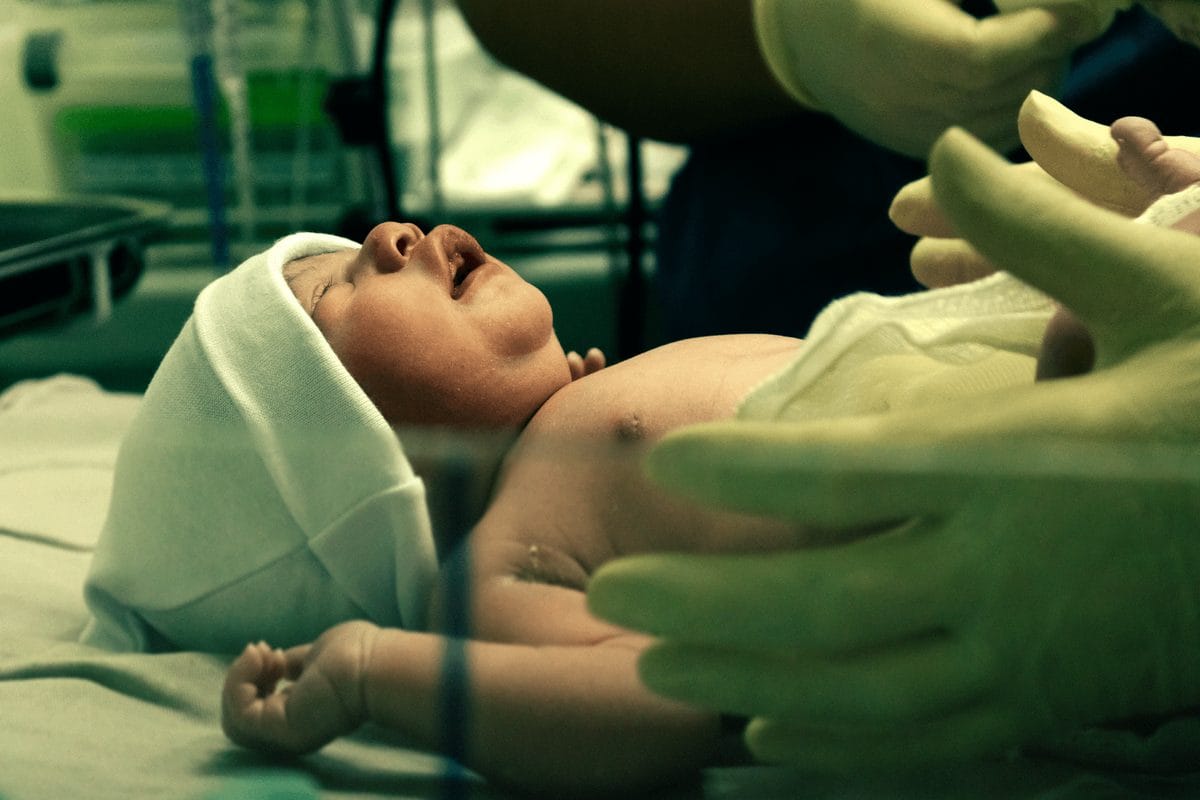
SaveMost newborns have some jaundice. It usually shows at 2 to 4 days old, and most of the time it causes no problems and clears within two weeks (2). Most babies need no treatment at all.
The reason casual advice is dangerous here is what happens in the minority of cases. Severe hyperbilirubinemia can progress to acute bilirubin encephalopathy and then to kernicterus, a permanent condition involving hearing loss, movement disorders, eye-movement problems and damaged tooth enamel (4). Kernicterus is rare in high-income countries, roughly 1 in 100,000 infants, but it remains common in low- and middle-income countries, and premature babies and those with hemolytic disease are at higher risk (3, 6).
Why phototherapy, and why not the garden
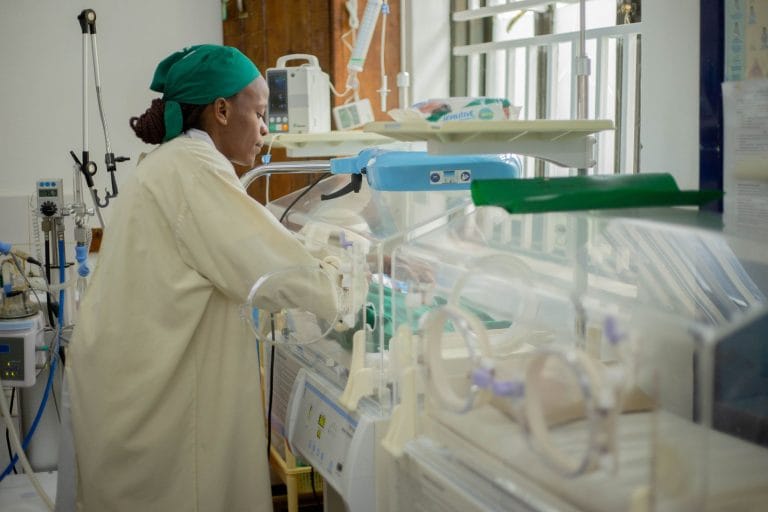
Phototherapy places the baby under controlled lights in a warm enclosed bed at a constant temperature, wearing only a diaper and eye shields, with breastfeeding continued where possible. When bilirubin is not too high, a clinician may allow home phototherapy with a fiberoptic blanket or a light-emitting mattress (2).
Every part of that is controlled: the wavelength, the intensity, the baby’s temperature, the eye protection, and the monitoring. Direct sunlight offers none of it. Newborn skin burns easily, infants overheat quickly, and the 2001 study behind the sunlight claim measured bilirubin breaking down in glass containers, not bilirubin in a baby (5). The American Academy of Pediatrics revised its guidance in 2022 with new thresholds for starting phototherapy based on gestational age and neurotoxicity risk factors (3). Those thresholds exist because the decision is a clinical one.
What does help at home
- Feed often. Up to about 12 times a day, to encourage the frequent bowel movements that carry bilirubin out (2).
- Keep the check-ups. Every baby should be seen in the first 5 days of life. Babies discharged before 24 hours should be seen by 72 hours; those discharged at 24 to 48 hours by 96 hours; those discharged at 48 to 72 hours by 120 hours (2).
- Know the emergency signs. Fever, listlessness, or not feeding well mean urgent medical attention (2).
What not to give a jaundiced baby
Infants should have breast milk or formula for the first 12 months (7). That rules out the grape juice, goat milk and herbal waters that circulate as remedies for infant jaundice. Water and juice displace milk, provide no useful nutrition, and can be harmful in a small baby.
Adults: Supporting Recovery Without Making It Worse
 Save
SaveOnce a cause has been identified and treatment started, there is a sensible supporting role for diet and habits, but it is a modest one.
- Stay hydrated and rest. Unglamorous, and the most reliable part.
- Avoid alcohol entirely while the liver is under strain.
- Review every medicine and supplement with the doctor. Herbal and dietary supplements are a documented cause of drug-induced liver injury, catalogued by the NIH’s LiverTox database (8). A “liver detox” product is a risk, not a help.
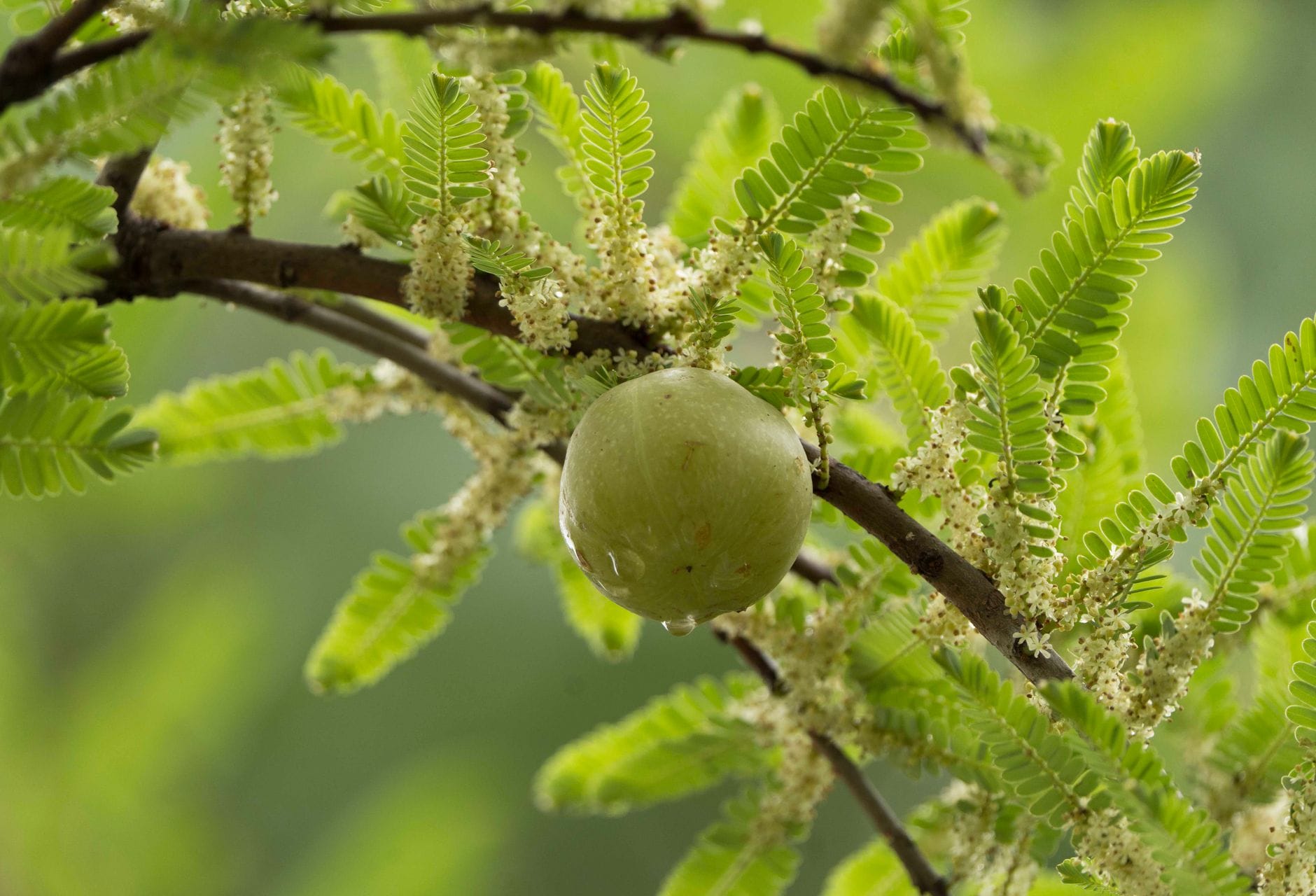
- Eat normally and adequately. Foods such as amla, barley water or sugarcane juice are fine to enjoy if you like them. Their reputation here rests on tradition and early laboratory work, not on trials showing they clear jaundice (1).
If liver disease is the underlying cause, dietary management is specific to the diagnosis rather than generic, which is the approach in our cirrhosis diet guide. For everyday eating, see what changes when you eat well.
When to Get Medical Help
- Any adult who develops yellowing of the skin or eyes (1)
- A newborn with fever, listlessness or poor feeding (2)
- Jaundice with abdominal pain, dark urine, pale stools, confusion or bleeding
- Jaundice in a premature baby or one with a known blood disorder (3)
Frequently Asked Questions
Can jaundice be treated at home?
No. Jaundice is a sign that bilirubin is building up, and it is usually a symptom of a problem with the liver, gallbladder or pancreas. Treatment depends entirely on the cause, so it has to be diagnosed. Anyone who develops jaundice should contact a healthcare provider.
Should I put a jaundiced newborn in sunlight?
No, not as a treatment. The popular claim that sunlight beats phototherapy comes from a 2001 laboratory experiment on bilirubin solutions in glass containers, not from babies. Newborn skin burns easily and infants overheat quickly. Phototherapy is delivered in controlled conditions, and home fiberoptic options exist when a clinician judges them appropriate.
When is newborn jaundice an emergency?
If the baby has a fever, has become listless, or is not feeding well. Jaundice may also be dangerous in high-risk newborns, including those born prematurely or with hemolytic disease. In full-term babies without other problems it is generally not dangerous.
What actually helps a jaundiced newborn at home?
Feeding often, up to about 12 times a day, because frequent bowel movements carry bilirubin out of the body. Beyond that, follow the schedule of checks your provider sets and attend them.
Are liver-support supplements a good idea during recovery?
Be careful. Herbal and dietary supplements are a recognised cause of drug-induced liver injury, which is the last thing an already stressed liver needs. Check anything you plan to take with the doctor treating you.
The Bottom Line
There is no home remedy that treats jaundice, because jaundice is a symptom of something else and the something else is what needs treating. For newborns, the advice circulating about sunlight traces back to a laboratory experiment on bilirubin in glass, and following it instead of medical care risks permanent brain injury in the small number of babies whose levels climb. What genuinely helps is feeding a newborn often, keeping every scheduled check, watching for fever or listlessness, and, for adults, getting a diagnosis, avoiding alcohol, and clearing every supplement with the doctor rather than adding one.
This article is for informational purposes only and is not a substitute for professional medical advice, diagnosis, or treatment. Always consult a qualified healthcare provider about jaundice, and seek care urgently for a jaundiced newborn who has a fever, is listless, or is feeding poorly.
Related Articles
Cirrhosis Diet: Protein, Sodium and Meal Timing Guide
Positive Effects of Healthy Eating: What Research Shows
Home Remedies for Diarrhea: Rehydration and When to Worry
Balanced Diet Guide With the 5 Food Groups
Cumin (Jeera) Benefits: Evidence, Uses and Safety