
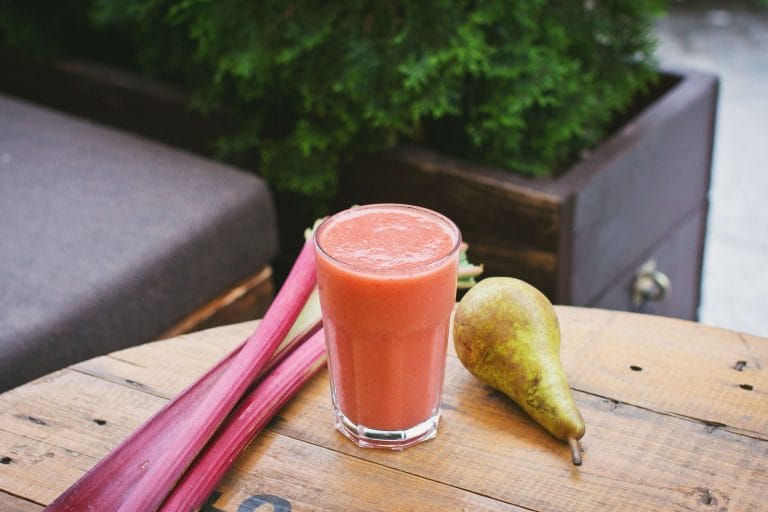
A blended-meal plan that promises fast results, minus most of the science to back it up.
Blending fruits and vegetables into a thick, drinkable meal has become a go-to move for people who want to lose weight without much fuss. The smoothie diet leans hard into that appeal. It’s easy, it tastes good, and it feels healthy. But swapping real meals for a glass of blended produce comes with trade-offs that don’t always make it onto the marketing page.
Here’s what the plan involves, which ingredients earn their spot in the blender, and the drawbacks worth weighing before you commit. If you’re the type who prefers to build habits rather than follow a 21-day script, some of the ideas here work on their own terms too.
Key Takeaways
- The smoothie diet is a 21-day, short-term plan created by Drew Sgoutas that replaces two daily meals with plant-based smoothies.
- It’s marketed as a route to rapid weight loss, plus perks like better sleep, more energy, and steadier blood sugar.
- Those claims have no solid scientific backing, and most health professionals file the plan under “fad.”
- Liquid meals tend to be less filling than solid food, which can nudge cravings up rather than down.
- The fruits, vegetables, and fiber in a good smoothie do offer real nutritional value when built thoughtfully.
What the Plan Actually Asks of You
The smoothie diet runs for 21 days and sits under the broader umbrella of the body reset approach to metabolism and weight, which promises a faster metabolism and less fatigue. The core rule is simple: replace two of your three daily meals with smoothies made from fruits and vegetables, and eat one regular meal.
Drew Sgoutas, who describes himself as a nutrition expert, packaged the whole thing into an e-book. It comes with the 21-day schedule, more than 36 recipes, and shopping lists. Smoothies certainly beat processed junk, but the plan itself has no research behind it, and plenty of dietitians consider it a fad rather than a sustainable strategy.
The Benefits People Point To
Sgoutas claims weight loss is only the start. His site lists clearer skin, better sleep, stabilized blood sugar, sharper thinking, and more energy as bonuses of sticking with the program.
None of those specific promises are backed by evidence, and one part of the picture actually cuts the other way. Research suggests that liquid, low-viscosity foods are less satisfying than solid ones, which means a smoothie can leave you hungrier and reaching for a snack sooner (1). That’s the opposite of what a weight-loss plan wants.
Where smoothies do earn their keep is fiber. A well-built one, sipped as a late-morning or afternoon snack, adds soluble fiber to your day. Getting enough of it has been linked to a lower body mass index and reduced body weight and fat, along with better cholesterol numbers and a lower risk of type 2 diabetes (2, 3). Fiber also supports heart health, digestion, and immune function. Because the base is mostly produce, you’re also pulling in vitamins, minerals, and phytochemicals that help fight the free-radical damage tied to aging and chronic disease (4).
The results, though, hinge almost entirely on how often you drink these and what goes in them.
| The promise | What there is to go on |
|---|---|
| Rapid weight loss in 21 days | No trial of this plan exists. Cutting two meals a day to blended produce will cut calories, and cutting calories moves weight; that is arithmetic, not evidence for the programme |
| Better sleep, clearer skin, sharper thinking, more energy | Nothing specific supports these for this plan |
| Steadier blood sugar | Depends entirely on what goes in the blender. Fruit with no protein or fat is a sugar load, and added sugars are the part worth limiting (7, 8) |
| Keeps you full | Cuts the other way. Liquid, low-viscosity foods satisfy less than solid ones, so a drinkable meal can leave you hungrier sooner (1) |
| More fibre, fruit and vegetables | This one holds up, and it is the real reason to blend at all (2, 4) |
The programme’s own site describes it as “backed by real science” and offers a no-questions refund (10). The refund is real. The science, in the sense of a study of this plan, is not there to be found.
Foods To Reach For and Ones To Leave Out
 Save
SaveThe plan favors nutrient-dense whole foods and steers you away from processed meats, refined grains, and baked goods. That part is genuinely sound advice.
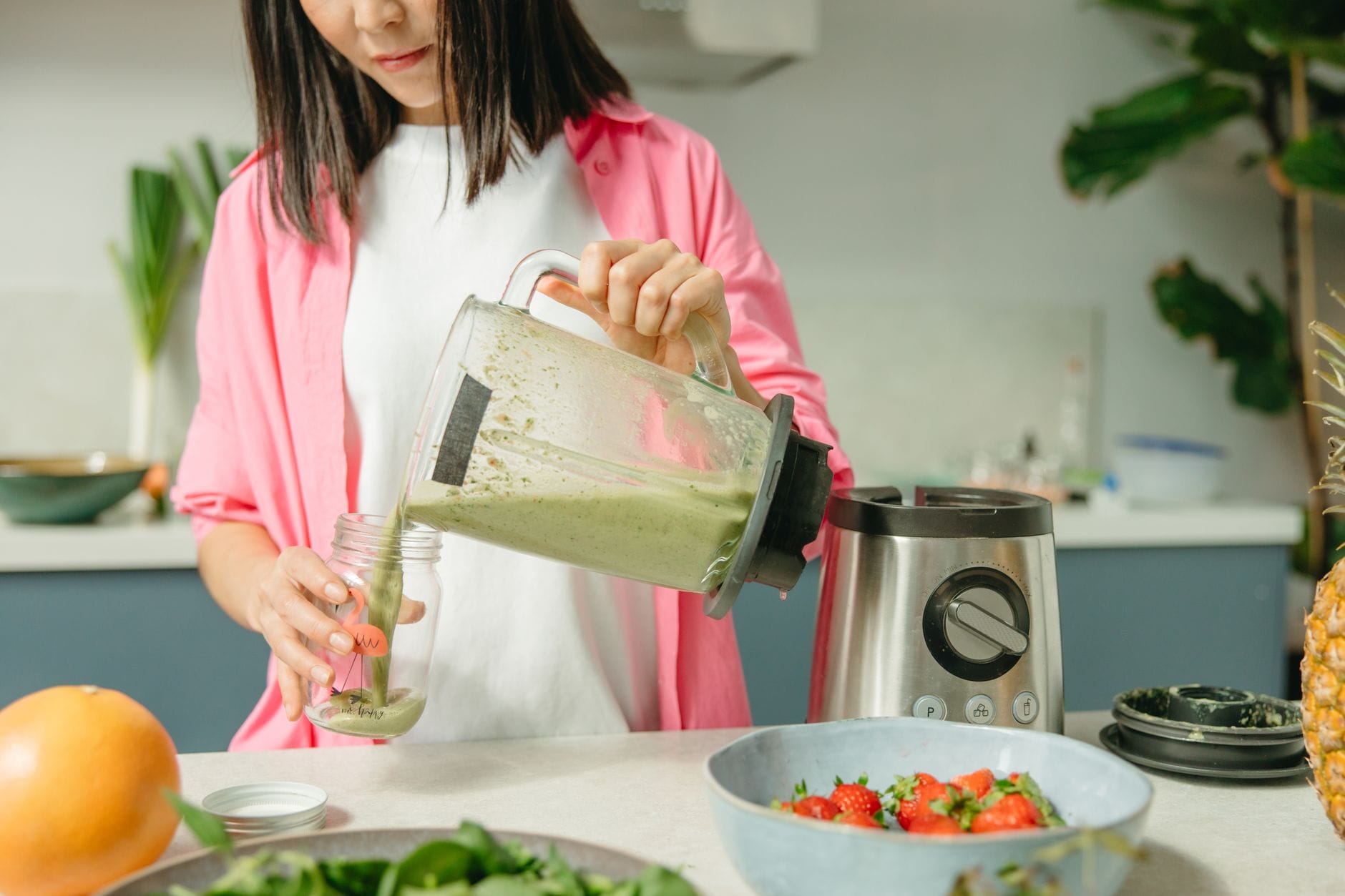
A smoothie that keeps you full needs all three macronutrients, not just fruit. Build it in layers:
Protein for muscle repair and staying power: Greek yogurt, a scoop of protein powder, nut butter, or tofu (6).
Healthy fats for slow-burning energy: avocado, chia seeds, flax seeds, or a little coconut oil.
Carbohydrates from leafy greens like spinach and kale, plus fruit such as berries, bananas, or mango for natural sweetness.
Skip that structure and you get a sugary drink that spikes and crashes (7, 8). Include it and you get something closer to an actual meal. If you like the idea of blended nutrition but want more control over the protein side, these easy homemade protein shake recipes cover similar ground without the rigid schedule.
A Handful of Smoothies Worth Blending
 Save
SaveThe official program uses its own 36 recipes, but you don’t need the e-book to make a decent one. A few reliable combinations:
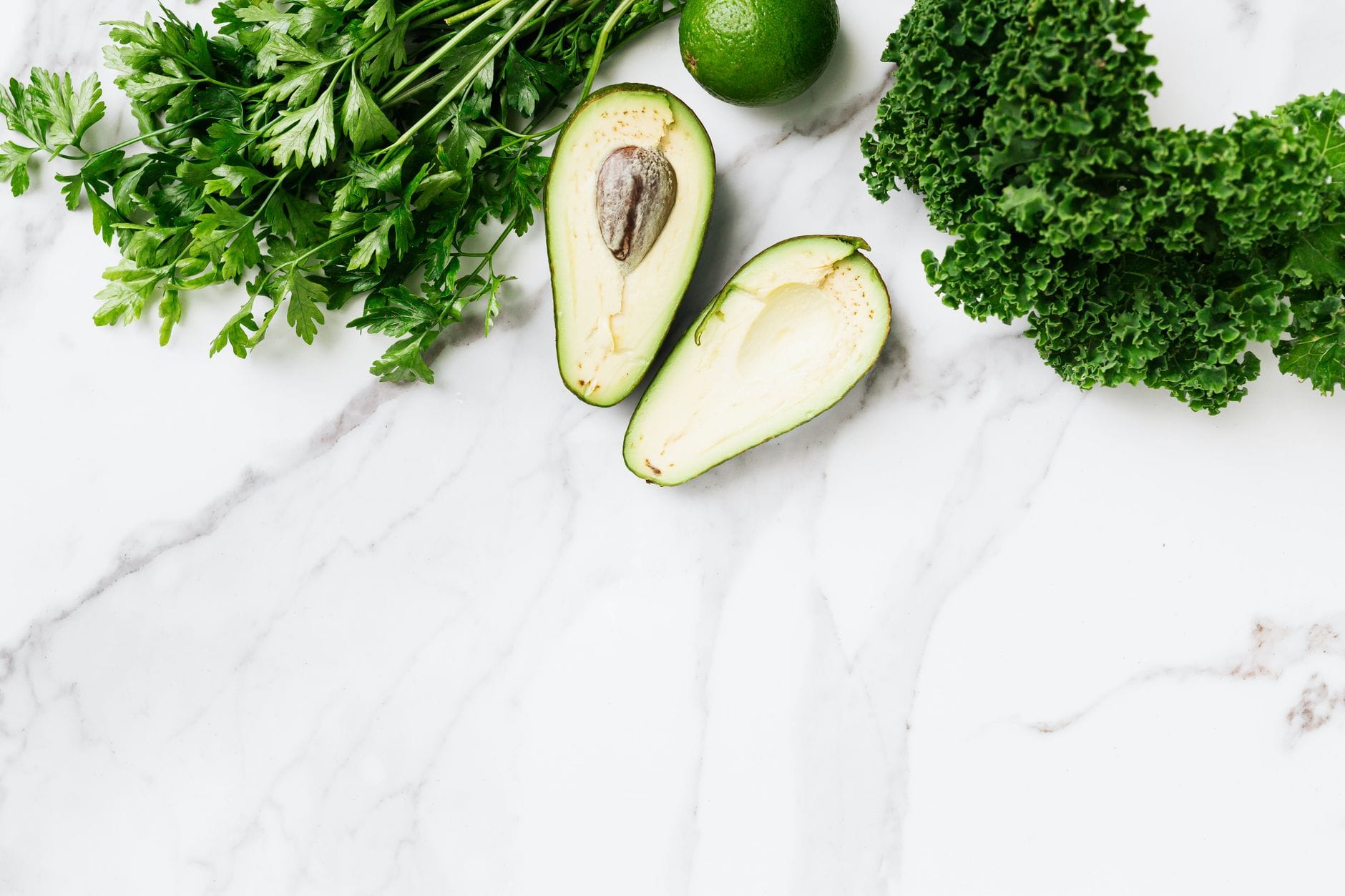
Avocado and kale: avocado, a few kale leaves, a banana, water, and a scoop of vanilla protein powder, blended with ice.
Mango and yogurt: mango, low-fat Greek yogurt, plant-based milk, protein powder, and an optional drizzle of honey.
Coffee and chocolate: brewed coffee, banana, plant-based milk, cocoa powder, protein powder, and a touch of maple syrup if you want it sweeter.
Passion fruit and pineapple: passion fruit pulp, chopped pineapple, blueberries, water, and vanilla protein powder.
Any allowed fruit and vegetable can go in, so treat these as starting points rather than rules. For more blended options aimed at weight management, this roundup of drinks that quietly make losing weight easier is a good next stop.
Blended Is Not Juiced
These two get treated as the same thing and they are not. Blending keeps the whole fruit or vegetable, fibre included, which is why a smoothie is thick. Juicing throws the fibre away and keeps the sugary liquid.
That single difference decides most of what follows. The fibre is the part linked to a lower body mass index, better cholesterol and lower risk of type 2 diabetes (2, 3), and it is the part that slows the sugar down. A juice cleanse removes exactly the ingredient that was doing the work. So if you are choosing between the two, the smoothie wins without much argument, and a chewed apple still beats both (1).
The Downsides Nobody Advertises
Living on two smoothies a day is restrictive, and restriction has consequences. People on the plan report nausea, headaches, and fatigue, especially early on. The bigger concern is nutritional gaps. A plant-heavy liquid diet can fall short on nutrients like vitamin B12, which mostly comes from animal foods, and shortfalls add up over weeks (5).
There is also a part nobody puts on the sales page: your teeth. Smoothies are acidic and carry a high titratable acidity, meaning they keep their acidity even as saliva tries to neutralise them. In an in-situ study, 14 volunteers exposed enamel to a strawberry and banana smoothie five times a day for 21 days, exactly the length of this plan, and it showed a measurable erosive potential, though significantly less than plain citric acid (9). That is a laboratory-style exposure rather than normal drinking, so do not read it as a warning that smoothies destroy teeth. Read it as a reason to drink them with a meal rather than sipping one across a whole morning, and to rinse with water afterwards.
The plan is also not for everyone. Children, pregnant or breastfeeding women, and anyone managing a condition like diabetes should steer clear without medical guidance. And because liquid meals are less filling, some people simply end up hungrier and eat more elsewhere.
A steadier path, for most, is learning to eat a genuinely balanced diet without obsessive tracking and leaning on foods that keep you full. Getting more of the high-fiber foods most of us fall short on does a lot of the same work a smoothie promises, without the meal-skipping.
Frequently Asked Questions
How long is the smoothie diet meant to last?
It’s designed as a short-term, 21-day program. It isn’t built to be a permanent way of eating, and the restrictive structure makes long-term use unwise for most people.
Can smoothies help with weight loss at all?
They can help as a snack when they’re high in fiber and balanced with protein and fat. As a full meal replacement, they may backfire, since liquid foods are less filling and can increase cravings.
Who should avoid this diet?
Children, pregnant and breastfeeding women, and anyone with an underlying condition such as diabetes should avoid it unless a doctor or dietitian signs off first.
Is the smoothie diet safe?
For a healthy adult, three weeks of it is unlikely to do harm, but it is not a plan with evidence behind it and the restriction brings its own problems: less fullness from liquid meals, possible shortfalls in nutrients like vitamin B12 that come mainly from animal foods, and the acid exposure to teeth that comes with drinking blended fruit twice a day. Children, pregnant or breastfeeding women and anyone managing a condition such as diabetes should not do it without medical advice.
Smoothie or juice, which is better?
Smoothie, and it is not close. Blending keeps the fibre of the whole fruit or vegetable; juicing removes it and leaves the sugar. The fibre is what slows the sugar down and what the health benefits are actually attached to, so a juice cleanse discards the useful part. Eating the fruit whole is better still, because chewing something satisfies you more than drinking it.
The Bottom Line
The smoothie diet gets one thing right: whole fruits and vegetables beat processed food, and fiber genuinely supports your weight, heart, and gut. Beyond that, the specific promises of rapid weight loss, better sleep, and sharper thinking rest on marketing, not research. Two blended meals a day can leave you hungry, tired, and short on nutrients like B12. If you enjoy smoothies, keep making them, ideally as a balanced snack rather than a stand-in for real meals, and treat any 21-day fix with a healthy dose of skepticism.
This article is for informational purposes only and is not a substitute for professional medical advice. Talk to a qualified healthcare provider or registered dietitian before starting any restrictive diet, especially if you are pregnant, breastfeeding, managing a health condition, or feeding a child.
Related Articles
Can the Body Reset Diet Really Change Your Weight in Just 15 Days?
The Homemade Protein Shakes I Reach For Instead of Store-Bought Powder
7 Homemade Drinks That Quietly Make Losing Weight Easier
How to Eat a Balanced Diet Without Counting Every Calorie
The High Fiber Foods Worth Putting on Your Plate Every Day