
What the macrobiotic diet is, the one part of it that has decent trial evidence, and the traditional rule that makes it genuinely risky.
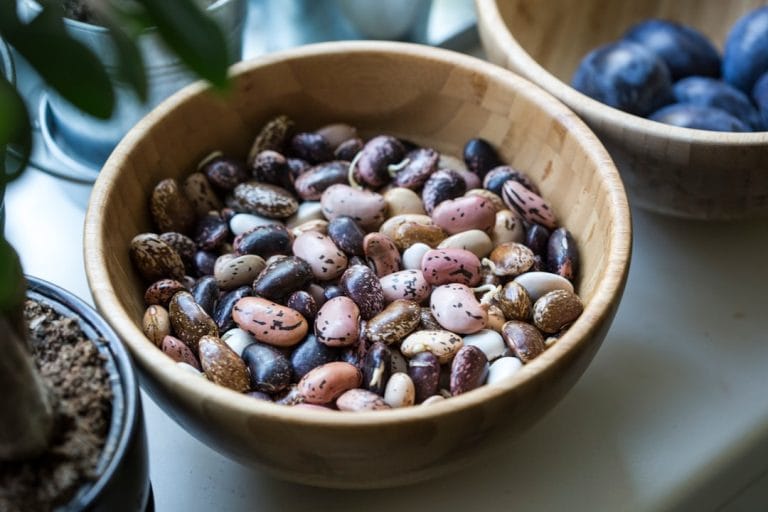
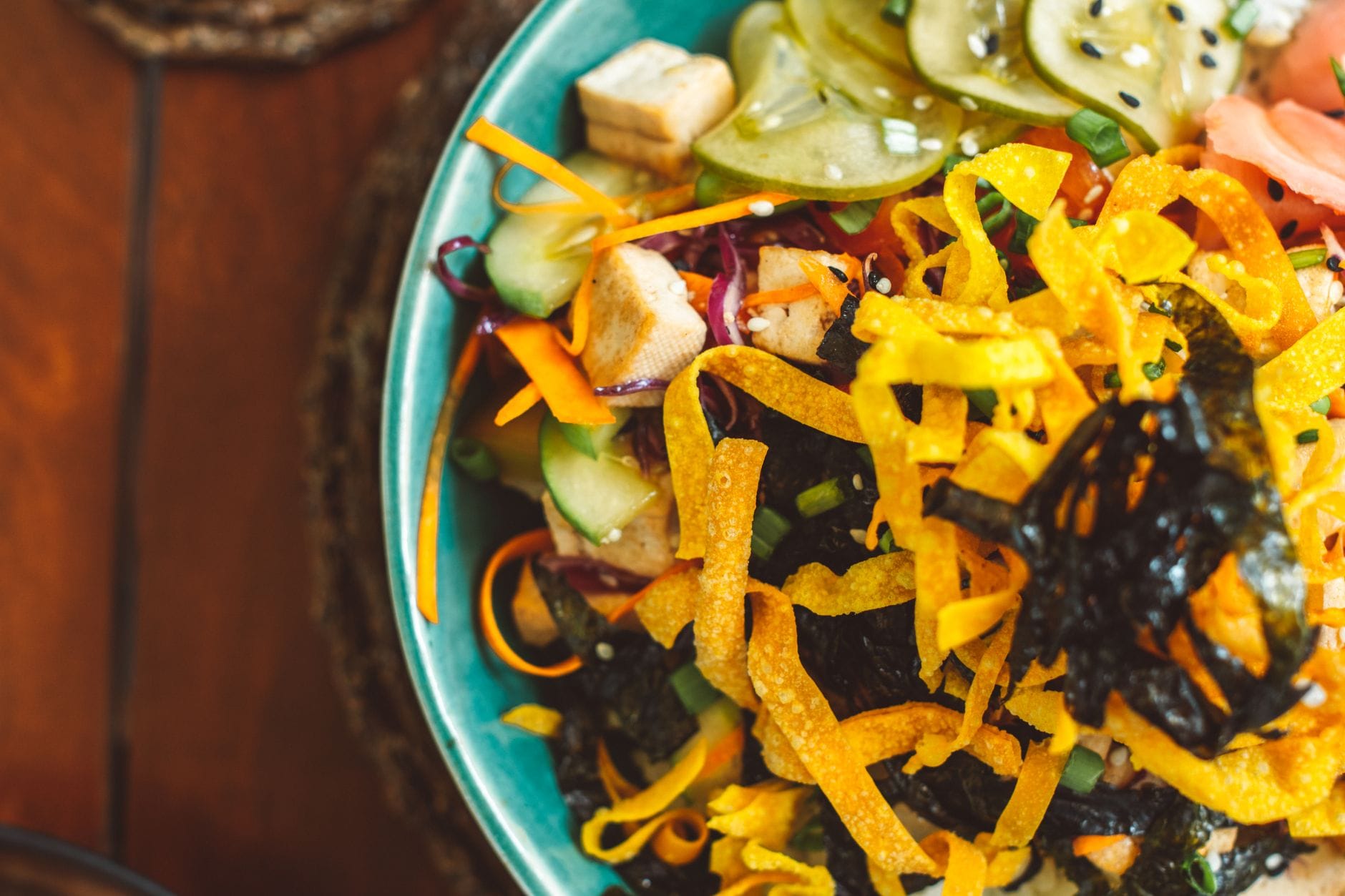
The macrobiotic diet grew out of the ideas of George Ohsawa in the 1920s. The plate leans heavily on whole grains, vegetables, beans, sea vegetables and soy, with sugar, refined products and most animal foods pushed to the edges or dropped.
Most of that is unremarkable, and some of it has real support. What deserves a warning is not the food list but a habit that travels with the diet: many followers avoid nutritional supplements on principle. On an eating pattern this low in animal foods, that is the part that causes harm.
Key Takeaways
- A randomised trial of the Ma-Pi 2 version improved metabolic markers in type 2 diabetes (3).
- Avoiding supplements on a near-vegan diet risks vitamin B12 deficiency (2).
- Adolescents fed this diet in early life still had impaired B12 status years later (1).
- No trial shows a macrobiotic diet treats cancer (6).
- The high fibre content is a genuine strength (5).
What It Involves
 Save
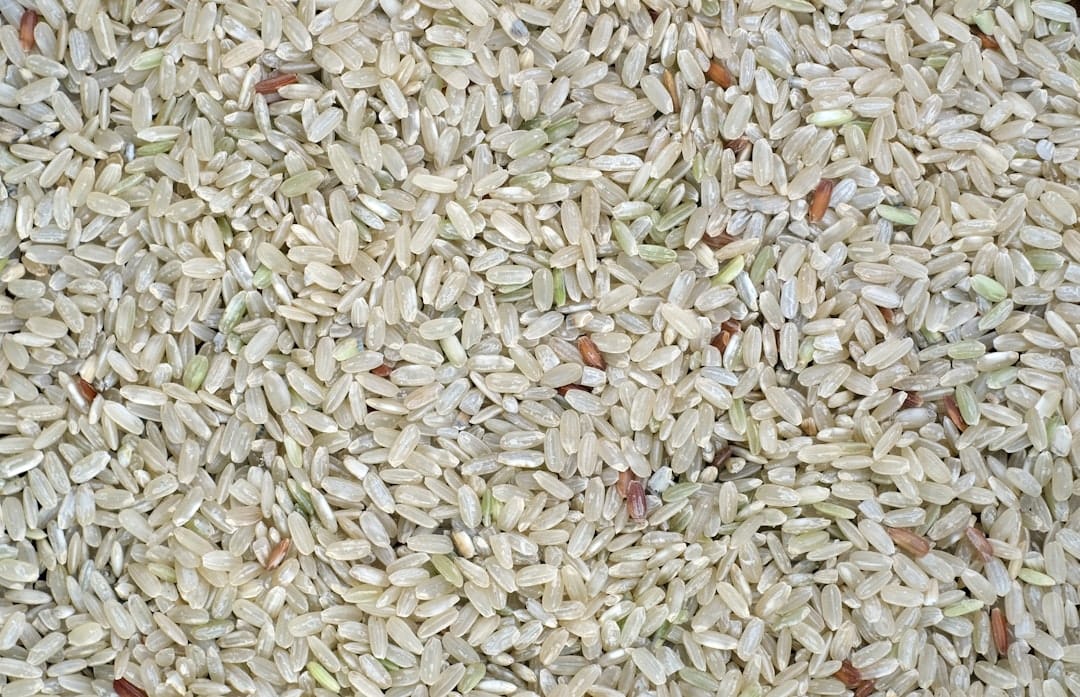
SaveThe pattern is whole, minimally processed food, with grains and vegetables doing most of the work. Local and seasonal produce is preferred, and stricter interpretations also avoid additives, and sometimes supplements.
That last element is the one worth separating from the rest, because it is the difference between a sensible plant-forward diet and a diet that produces deficiency.
What the Evidence Shows
 Save
Save| Claim | What the evidence is | Verdict |
|---|---|---|
| Improves blood sugar control | A randomised trial of the Ma-Pi 2 version in type 2 diabetes found greater reductions in fasting and post-meal glucose, HbA1c, insulin resistance, total and LDL cholesterol, weight and waist than the standard recommended diet (3) | Supported, short term |
| High fibre helps in general | Fibre adds bulk, aids fullness and supports regularity, and the structure of the diet makes a high intake almost automatic (5) | Reasonable |
| Reduces cancer risk, or helps treat cancer | No trial shows a macrobiotic diet treats cancer. Unproven approaches can delay or replace treatment that works (6) | Not shown |
| Supplements are unnecessary on this diet | The opposite. A diet this low in animal foods needs vitamin B12 from a supplement or fortified food (2) | Dangerous as written |
The diabetes finding is real
This is the strongest thing the diet has, and it is worth stating precisely. In the randomised MADIAB trial, people with type 2 diabetes following the Ma-Pi 2 macrobiotic diet had significantly greater reductions in fasting and post-meal blood glucose than those on the standard recommended diet, along with greater improvements in HbA1c, insulin resistance, total cholesterol, LDL cholesterol, the LDL to HDL ratio, BMI, body weight, and waist and hip circumference (3).
Two honest caveats. The control group had a greater reduction in triglycerides. And this was a short-term intervention, so it shows what the diet can do over weeks rather than what happens over years.
The cancer question
Macrobiotic eating has a long history of being promoted to people with cancer, and that history is the reason to be careful. No trial shows that this diet treats cancer.
The National Cancer Institute’s position on complementary approaches is to tell your cancer care team about anything you are using or considering, because unproven approaches can interact with treatment or delay it (6). A diet that emphasises vegetables and whole grains is fine to eat alongside treatment. It is not a treatment.
The Deficiency Risk, Specifically
Vitamin B12 is needed to make red blood cells and to keep nerves working, and it is found in animal foods (2). A diet built on grains, vegetables, beans and soy does not supply enough of it.
The consequences are not theoretical. A study of adolescents who had been fed a macrobiotic diet in early life found that 37% still had abnormal vitamin B12 concentrations, along with abnormal markers of B12 function, even though they had since been eating dairy products and eating fish, meat or chicken two to three times a week. The authors concluded that moderate consumption of animal products is not sufficient to restore normal B12 status in people who had inadequate intake during their early years (1).
That is the sentence to take away. A shortfall in childhood was not fully corrected by ordinary eating later. A broader review of vitamin B12 levels in children and adolescents on plant-based diets reaches similar conclusions about the need for reliable sources (4).
The fix is simple and cheap: a B12 supplement or reliably fortified foods. The only reason it gets skipped is the tradition of avoiding supplements, which is a philosophical position rather than a nutritional one.
Other Gaps to Watch
- Protein and iron need deliberate attention when animal foods are minimal
- Unintended weight and muscle loss happens to some people on the stricter versions
- Children, pregnancy and breastfeeding raise requirements and lower the margin for error (4)
- Diabetes medication may need adjusting if the diet lowers glucose, which is a reason for supervision (3)
A Sensible Version
Strip away the philosophy and what remains is a high-fibre, plant-forward pattern that is easy to recommend: whole grains, plenty of vegetables, beans, and little sugar or refined food. Fibre adds bulk, helps with fullness and supports regularity (5).
Keep that, and add back the two things the strict version removes: a reliable B12 source, and a clinician’s involvement if you have diabetes, heart disease, or are feeding a child on this pattern.
If the plant-forward part is what appeals, our plant-based diet guide and vegan diet guide cover the same ground with the nutrient gaps addressed, and the fibre guide covers that side. For blood sugar specifically, our diabetes diet guide sets out what has been tested.
Frequently Asked Questions
Is the macrobiotic diet healthy?
The core of it, whole grains, vegetables, beans and minimally processed food, is a reasonable pattern, and the Ma-Pi 2 version improved metabolic markers in a randomised trial in type 2 diabetes. The risk sits in the stricter interpretations and in the tradition of avoiding supplements.
Does a macrobiotic diet treat cancer?
No trial shows that it does. The National Cancer Institute’s guidance on complementary approaches is to discuss any such approach with your cancer care team, because unproven methods can interfere with or delay treatment that works.
Do I need supplements on it?
Yes, and this is the most important point on the page. A diet with few or no animal foods does not supply enough vitamin B12, which the body needs for red blood cells and nerve function. Vitamin B12 has to come from a supplement or fortified foods.
Is it safe for children?
Not without careful planning and supplementation. Adolescents who were fed a macrobiotic diet in early life were later found to have impaired vitamin B12 status even after they had started eating moderate amounts of animal foods again.
Can I lose weight on it?
Often, because cutting sugar and processed food while eating a lot of fibre tends to lower intake naturally. Some people also lose weight and muscle they did not intend to lose, which is a reason for supervision rather than a benefit.
The Bottom Line
The macrobiotic diet is a high-fibre, plant-forward pattern with one genuinely encouraging piece of evidence behind it: the Ma-Pi 2 version outperformed the standard recommended diet on metabolic markers in a randomised trial in type 2 diabetes. It is not a cancer treatment, and no trial suggests it is. The part that causes real harm is the tradition of avoiding supplements, because a diet this low in animal foods needs vitamin B12 from a supplement or fortified food, and a shortfall in early life was not corrected by eating normally afterwards. Keep the grains and vegetables. Take the B12.
This article is for informational purposes only and is not a substitute for professional medical advice. Talk with a doctor or registered dietitian before adopting a restrictive diet, especially for a child, during pregnancy or breastfeeding, or if you have diabetes, heart disease or cancer.
Related Articles
Plant-Based Diet: Benefits, Risks and How to Start
Vegan Diet: The Evidence and the Nutrient Gaps
High Fiber Foods List and How Much Fiber You Need
Diabetes Diet: Plate Method, Carbs and the Evidence
Balanced Diet Guide With the 5 Food Groups