
An interstitial cystitis diet based on patient survey data and clinical trials: the most common food triggers, how an elimination diet works, what to eat instead, and how strong the evidence is.
An interstitial cystitis diet removes foods and drinks that commonly worsen bladder pain and urgency, then reintroduces them one at a time to find your personal triggers. In one survey of people with interstitial cystitis/bladder pain syndrome (IC/BPS), 90.2% said certain foods or drinks made their symptoms worse (4).
The most frequently reported triggers are coffee, tea, soda, alcohol, citrus fruits and juices, artificial sweeteners and hot peppers (4). However, triggers vary between people, and randomized trial evidence is still limited (8). This guide explains what is known and how to test your own diet.
Key Takeaways
- About 90% of people with IC/BPS report that certain foods or drinks worsen symptoms (4, 6).
- Common triggers include coffee, tea, carbonated and alcoholic drinks, citrus, tomatoes, spicy foods, artificial sweeteners and vitamin C (5, 6).
- Most foods had no effect on symptoms, so an IC diet does not need to be overly restrictive (5).
- An individualized elimination diet showed benefit in small trials; an anti-inflammatory diet did not (8).
- US urology guidelines stress individualized treatment that can combine several approaches (1).
What Interstitial Cystitis Is
Interstitial cystitis, also called bladder pain syndrome, causes bladder or pelvic pain and pressure along with frequent and urgent urination. The American Urological Association describes it as a varied condition with different subgroups, so treatment needs to be individualized (1). Its 2022 guideline groups treatments into behavioral and non-drug approaches, oral medicines, bladder instillations, procedures and surgery (1).
It is likely underdiagnosed. A national US survey estimated that 2.7% to 6.5% of adult women have IC/BPS symptoms, yet only 9.7% of them had been diagnosed (2). In men, a similar survey found symptoms in 1.9% to 4.2% (3). Because IC can resemble a urinary tract infection or other conditions, see a doctor for diagnosis before starting a restrictive diet.
The Most Common Food Triggers
 Save
SaveTwo large patient surveys give the best picture of which foods cause problems:
- Shorter and colleagues (2007) asked patients about 175 items. Coffee, tea, soda, alcoholic drinks, citrus fruits and juices, artificial sweeteners and hot pepper were the most frequently reported and most bothersome (4).
- Bassaly and colleagues (2011) surveyed 598 members of the Interstitial Cystitis Association about 344 items. 95.8% said some foods and drinks affected their symptoms, but most items had no effect. The worst were citrus, tomatoes, coffee, tea, carbonated and alcoholic drinks, spicy foods, artificial sweeteners and vitamin C (5).
| Commonly reported triggers | Often better tolerated* |
|---|---|
| Coffee and tea | Water, milk, non-citrus herbal options you tolerate |
| Carbonated drinks and alcohol | Still water |
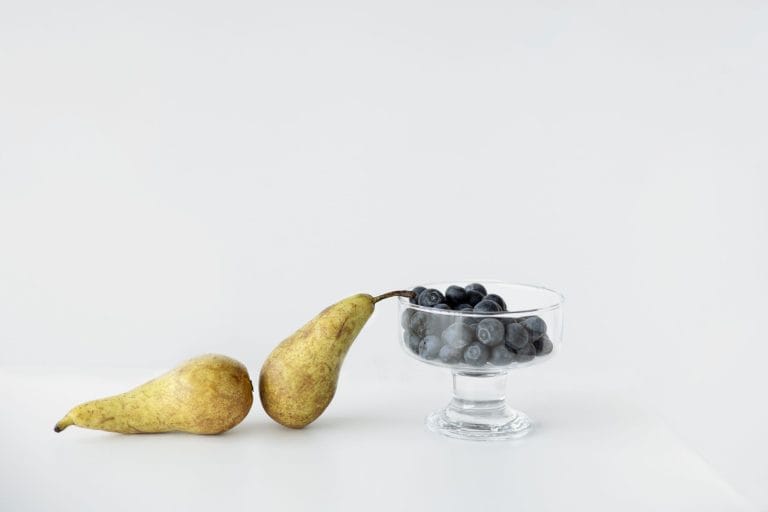
| Citrus fruits and juices | Pears, blueberries, apples, melon |
| Tomatoes and tomato products | Mild vegetables such as carrots, squash, green beans |
| Spicy foods and hot pepper | Mild herbs such as basil, oregano, thyme |
| Artificial sweeteners | Small amounts of sugar or honey, if tolerated |
| Vitamin C supplements | Discuss supplements with your doctor |
*Better tolerated options are general suggestions; individual tolerance varies and should be tested.
A review of this research also found that sensitivities differed between patients and may be influenced by related conditions, such as irritable bowel syndrome (6). If you also have gut symptoms, a low FODMAP diet may be worth discussing with your doctor.
How to Do an Elimination Diet
Because triggers vary, researchers recommend a controlled method such as an elimination diet, which identifies sensitivities while keeping nutrition adequate (6).
- Keep a food and symptom diary for 1 to 2 weeks before changing anything.
- Remove the most common triggers listed above for a set period, often a few weeks.
- Reintroduce one food at a time, in a normal portion, and wait a few days before the next.
- Record your symptoms after each reintroduction. Keep eating the foods that cause no change.
- Work with a dietitian if you end up avoiding many foods, to prevent nutrition gaps.
What the Research Shows
Most evidence comes from surveys, which show what patients report rather than proving cause and effect. Trials are few and small:
- A study in women with IC/BPS compared intensive, structured dietary changes with a less intensive approach. The intensive group improved more in symptom scores, pain, urgency and quality of life, within about 3 months and for at least 1 year (7).
- A 2026 systematic review found only 4 studies with 147 patients. Individualized elimination diets reduced symptom and problem scores at 12 months and improved pain. An anti-inflammatory diet and hydrogen-rich water showed no clear benefit. The authors concluded that current evidence is not strong enough for firm recommendations (8).
In short, testing and avoiding your personal triggers is reasonable and low-risk, but diet is usually one part of a wider treatment plan (1).
What to Eat on an IC Diet
 Save
SaveSince most foods do not affect symptoms (5), build meals from a wide range of foods you tolerate:
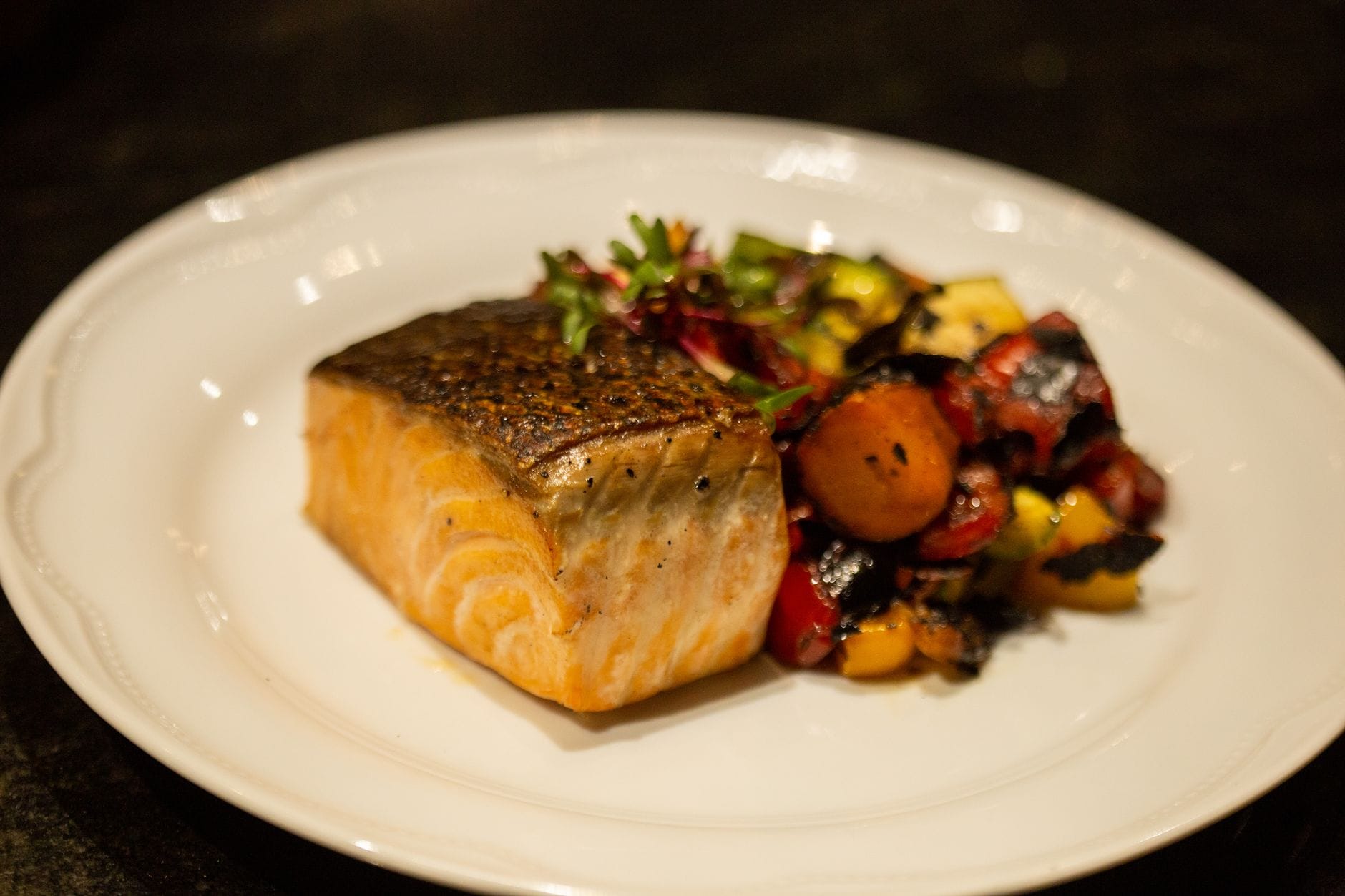
- Proteins: fish, poultry, eggs and other plain proteins
- Grains: rice, oats, bread and pasta
- Fruits: lower-acid options such as pears, blueberries and melon, tested one at a time
- Vegetables: most non-spicy vegetables, cooked or raw as tolerated
- Flavorings: mild herbs instead of hot peppers
For simple meal ideas, try these light and nourishing recipes, adapting any ingredients that trigger your symptoms. The goal is still a balanced diet, not the smallest possible food list.
What About Supplements?
In surveys, only calcium glycerophosphate and sodium bicarbonate (baking soda) showed a trend toward improving symptoms (5, 6). The survey authors suggested they might reduce sensitivity when taken before trigger foods (5). This evidence is self-reported and weak. Vitamin C supplements were a commonly reported trigger (5). Check with your doctor before taking any supplement, especially baking soda, which contains a lot of sodium.
Frequently Asked Questions
What foods trigger interstitial cystitis?
In patient surveys, the most commonly reported triggers were coffee, tea, soda, alcohol, citrus fruits and juices, tomatoes, artificial sweeteners, spicy foods and vitamin C. Triggers vary from person to person, so an elimination diet is the recommended way to find yours.
How common is interstitial cystitis?
More common than diagnoses suggest. A large US survey estimated that 2.7% to 6.5% of adult women have IC/BPS symptoms, but only 9.7% of those women had been diagnosed. A similar survey found symptoms in 1.9% to 4.2% of men.
Does an elimination diet work for interstitial cystitis?
It may help. A 2026 systematic review of small trials found that individualized elimination diets reduced symptom and problem scores at 12 months, while an anti-inflammatory diet showed no clear benefit. The authors said larger trials are needed.
Do I have to give up coffee forever with IC?
Not necessarily. Survey authors note that IC diets do not have to be overly restrictive, and many items had no effect on symptoms. After eliminating triggers, you can reintroduce foods one at a time to see which ones you tolerate.
Are there supplements that help with food triggers?
In surveys, calcium glycerophosphate and sodium bicarbonate were the only items with a trend toward improving symptoms. This is weak, self-reported evidence, so talk to your doctor before trying them.
The Bottom Line
Most people with interstitial cystitis report that some foods and drinks worsen their symptoms, most often coffee, tea, alcohol, carbonated drinks, citrus, tomatoes, spicy foods and artificial sweeteners. An elimination diet is the recommended way to find your own triggers without cutting out foods unnecessarily. Evidence from trials is still limited, so use diet alongside the treatment plan you agree with your doctor.
This article is for informational purposes only and is not a substitute for professional medical advice, diagnosis or treatment. See a doctor for diagnosis of bladder symptoms, and talk with them before making major diet changes or taking supplements.
Related Articles
FODMAP Diet: The 3 Steps and the List Errors
Light Food Recipes: Six Easy Everyday Meals
Balanced Diet Guide With the 5 Food Groups