
What actually helps you recover from pneumonia at home, which popular remedies have little evidence, and the warning signs that mean you need medical care now.
Pneumonia is an infection that inflames the air sacs in one or both lungs, which can fill with fluid or pus. It can be caused by bacteria, viruses, or fungi, and it ranges from a mild illness you recover from at home to a life-threatening one that needs hospital treatment (3, 4).
Home remedies for pneumonia cannot cure the infection, and they are not a substitute for seeing a doctor. What good home care can do is help your body recover, ease symptoms like cough and fever, and help you spot the signs that you need more help. This guide covers what official health organizations recommend, what the research says about popular remedies such as honey, garlic, and steam, and when to get urgent care.
Key Takeaways
- See a doctor if you think you have pneumonia. Bacterial pneumonia needs antibiotics, and some people need hospital care (3).
- The core of home care is rest, plenty of fluids, and paracetamol or ibuprofen for fever and pain (1, 2).
- Do not take cough medicine without talking to your doctor, since coughing helps clear the infection (1, 2).
- Honey can ease coughing, but never give it to babies under 1 year old (8, 10).
- Garlic and essential oils only show antibacterial effects in the lab, and raw garlic on the skin can cause burns (11, 13, 14).
- Get emergency help for trouble breathing, blue lips, coughing up blood, or sudden confusion (1).
Pneumonia Symptoms and Who Is at Risk
Common symptoms include a cough, shortness of breath, a high temperature, chest pain, body aches, feeling very tired, and loss of appetite. Older people may also become confused (1).
According to the CDC, the risk is higher for adults 65 or older, children under 5, people with chronic heart, lung, or liver disease or diabetes, and especially people with a weakened immune system. Smoking, heavy drinking, and being around sick people also raise the risk (4). Babies, older adults, and people with heart or lung conditions are the most likely to become seriously ill and need hospital treatment (1).
How Pneumonia Is Treated
Treatment depends on the cause. Bacterial pneumonia is treated with antibiotics, and most people start to feel better within one to three days. Antiviral medicine is sometimes used for viral pneumonia, though it does not work against every virus, and antifungal medicine treats fungal pneumonia. People with serious pneumonia may be treated in hospital with antibiotics and fluids through a drip, and oxygen (3).
If you are prescribed antibiotics, take the whole course, even once you feel better (1, 2).
What about walking pneumonia? “Walking pneumonia” usually refers to a milder infection often caused by the bacterium Mycoplasma pneumoniae, in which people can seem better than expected for someone with a lung infection. Most mild cases get better without medicine, but doctors routinely treat it with antibiotics, and symptoms can last several weeks (6).
Home Care That Actually Helps
 Save
SaveThese steps come from the NHS and the American Lung Association (1, 2):
- Rest. Get plenty of rest until you feel better. You may need to stay in bed for a while.
- Drink plenty of fluids. Fluids help loosen mucus so you can cough it up, and prevent dehydration from fever.
- Treat fever and pain. Paracetamol (acetaminophen) or ibuprofen can help with high temperature, chest pain, and body aches. Follow the dosing on the label, and check with a pharmacist if you have other health conditions or take other medicines.
- Let the cough work. Do not take cough medicine without talking to your doctor, because coughing helps your body get rid of the infection.
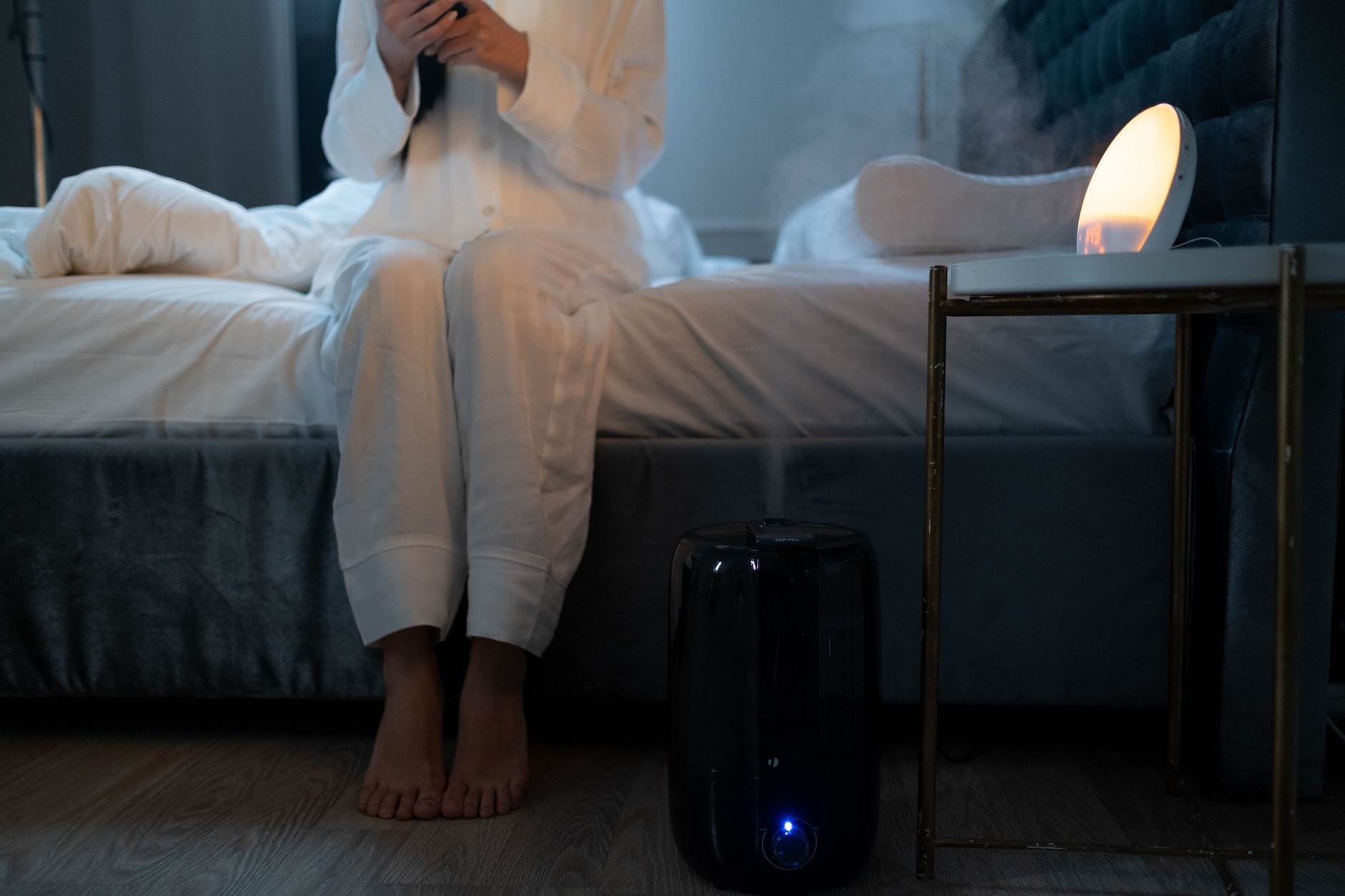
- Use warm drinks, steam, and a humidifier. Warm beverages, steamy baths or showers, and a humidifier can help open your airways and ease breathing.
- Avoid smoke. Stay away from smoking, secondhand smoke, and wood smoke so your lungs can heal.
- Protect others. Cover your mouth when you cough, and wash your hands regularly.
Popular Home Remedies: What the Evidence Says
Honey for cough
Honey is one of the few home remedies with reasonable evidence for easing cough. A systematic review of 14 studies found that honey improved cough frequency and severity in upper respiratory tract infections compared with usual care (8). A Cochrane review in children aged 1 year and older found that honey probably relieves cough better than no treatment or placebo (9). These studies looked at common coughs and colds rather than pneumonia specifically, so honey is a comfort measure, not a treatment. Stir a spoonful into warm water or tea. Never give honey to a baby under 1 year old, because it can cause infant botulism (10).
Garlic and ginger
 Save
SaveAllicin, a compound released when garlic is crushed, has antibacterial, antifungal, and antiviral activity in laboratory tests (11). But in one lab comparison, pure allicin had only about 1 to 2% of the potency of the antibiotic streptomycin against Staphylococcus aureus (12), and there is no evidence that eating garlic clears a lung infection. Garlic and ginger in warm soups or drinks are fine as comforting food, but they do not replace antibiotics.
Do not put crushed raw garlic on your chest or skin. Garlic applied to the skin can cause second-degree chemical burns, especially when it is left on for hours (13).
Steam and essential oils
Steam from a shower or a bowl of hot water can help loosen mucus and make breathing feel easier (2). Eucalyptus and peppermint oils have shown antibacterial activity in laboratory tests (14), but that does not show they treat pneumonia in people. If you use a diluted chest rub for comfort, keep menthol, eucalyptus, and peppermint products away from the faces and chests of babies and young children, and be careful with hot water to avoid scalds.
Vitamin C
A Cochrane review found the evidence too weak to recommend vitamin C to prevent pneumonia in the general population. It noted that supplements may be reasonable for pneumonia patients who have low vitamin C levels, because the cost and risks are low (7). For most people, fruit and vegetables are the simplest way to get enough.
When to Get Medical Help
Call emergency services or go to the emergency department if you or someone you care for (1):
- Is struggling to breathe.
- Has pale, blue, grey, or blotchy skin, lips, or tongue.
- Is coughing up blood.
- Suddenly becomes confused.
- Is a baby or child who cannot be woken.
Get an urgent doctor’s appointment if you have had a cough for up to 3 weeks, are coughing up yellow or green mucus, have chest pain that comes and goes, or feel short of breath (1). If you are already being treated, contact your doctor right away if your breathing gets worse instead of better, your fever comes back, or you develop chest pain (2).
Be especially quick to seek care for older adults, young children, and anyone with a long-term health condition or weakened immune system (1, 4). Anything that affects breathing also affects how much oxygen gets into your blood; our guide to blood oxygen levels explains why that matters.
Recovery and Prevention
Most people get better in 2 to 4 weeks (1), though tiredness and a cough can last longer. Take things slowly, keep resting and drinking fluids, and go to any follow-up appointments your doctor recommends.
To lower your risk of getting pneumonia again, the CDC recommends staying up to date with vaccines that protect against common causes, including pneumococcal, flu, COVID-19, RSV, whooping cough, Hib, measles, and chickenpox vaccines, depending on your age and health. Washing your hands, not smoking, and managing long-term conditions such as asthma also help (5).
Frequently Asked Questions
Can pneumonia be treated at home?
Many people with mild pneumonia recover at home, but only after a doctor has diagnosed it and decided whether you need antibiotics or other medicine. At home, rest, drink plenty of fluids, take paracetamol (acetaminophen) or ibuprofen for fever and pain, and finish any antibiotics you are prescribed. Babies, older adults, and people with heart or lung conditions are more likely to need hospital care.
Can you get rid of pneumonia without antibiotics?
It depends on the cause. Antibiotics treat bacterial pneumonia but do not work on viruses, and many mild cases of walking pneumonia caused by Mycoplasma get better on their own. Only a doctor can tell which type you have, so do not skip or stop antibiotics you have been prescribed.
How long does it take to recover from pneumonia?
Most people feel better in 2 to 4 weeks. If you take antibiotics for bacterial pneumonia, you usually start to feel better within one to three days, but tiredness and cough can linger longer. Walking pneumonia symptoms can last several weeks.
What helps a pneumonia cough at home?
Warm drinks, steamy showers, and a humidifier can help loosen mucus, and honey can ease coughing in adults and children over 1 year old. Do not take cough medicine without talking to your doctor, because coughing helps clear the infection. Never give honey to babies under 1.
When should you go to the hospital for pneumonia?
Call emergency services or go to the emergency department if you are struggling to breathe, have blue or grey lips, skin or tongue, cough up blood, suddenly become confused, or cannot wake a baby or child. See a doctor soon if breathing gets worse, fever returns, or chest pain develops.
Is pneumonia contagious?
The germs that cause pneumonia, such as bacteria and viruses, can spread from person to person, especially through coughs and sneezes. Cover your mouth when you cough, wash your hands often, and stay away from others while you are sick.
The Bottom Line
The most effective home remedies for pneumonia are the simple ones health organizations recommend: rest, fluids, fever and pain relief, steam or a humidifier, and staying away from smoke, alongside any antibiotics or other treatment your doctor prescribes. Honey can soothe a cough in anyone over 1 year old, while garlic, essential oils, and vitamin C have little evidence as treatments. Pneumonia can become serious quickly, so get medical advice if you suspect it, and seek emergency care for trouble breathing, blue lips, or sudden confusion.
This article is for informational purposes only and is not a substitute for professional medical advice, diagnosis, or treatment. Pneumonia can be life-threatening. Always consult a qualified healthcare provider if you think you or your child may have pneumonia.
Related Articles
How to Get More Oxygen Into Your Blood (Without Spending a Fortune)
Strep Throat vs Sore Throat: Symptoms, Tests and Treatment
Fire Cider: What the Evidence Says About Each Ingredient