
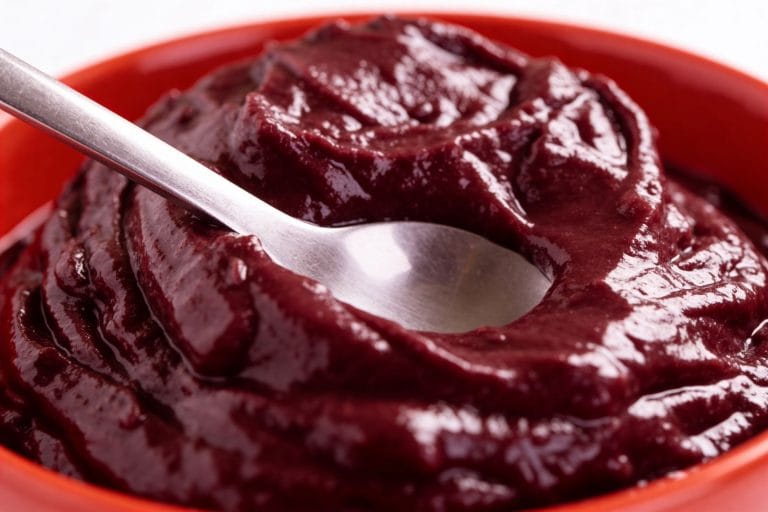
How the international texture levels actually work, why the numbering confuses people, and what the trials say about thickened drinks.
A dysphagia diet changes the texture of food and the thickness of drinks so that swallowing is safer for someone whose swallow no longer works reliably. Dysphagia affects an estimated 8% of the world’s population, roughly 590 million people, and its consequences include malnutrition, dehydration, aspiration pneumonia, choking and death (1, 3).
Most articles on this subject describe three levels numbered one to three. That numbering is out of date and it clashes with the international standard now used in hospitals and care homes, where Level 1 is a slightly thickened drink and pureed food is Level 4. Getting that wrong is not a small matter, which is why this guide follows the IDDSI framework (1).
Key Takeaways
- The international standard, IDDSI, has eight levels numbered 0 to 7 (1).
- Pureed food is Level 4, not Level 1 as older articles state (1).
- Thicker is not automatically safer: honey-thick liquids performed worse than nectar-thick in a randomized trial (4).
- Texture modification can itself cause dehydration and malnutrition (5).
- The level must be set by a speech-language pathologist, not chosen at home (3).
What the Diet Is Doing
When the swallow is weak or poorly coordinated, thin liquids and dry, crumbly solids can enter the airway instead of the oesophagus. That is aspiration, and it is the route to aspiration pneumonia as well as to choking (2, 3). Changing texture reduces the work the mouth and throat have to do to form a safe, cohesive mouthful.
The second job is nutrition. People who find swallowing hard often eat less simply because meals are exhausting, so a well-planned diet has to deliver calories, protein and fluid in a form the person can manage (6). Texture modification is normally used alongside swallowing therapy, oral hygiene and nutritional support rather than on its own (6).
The IDDSI Levels, 0 to 7
IDDSI was developed through international consultation, after surveys found 54 different names in use for food textures and 27 for drink thicknesses across countries (1). The framework deliberately overlaps drinks and foods in the middle:
| IDDSI level | Name | What it means |
|---|---|---|
| 0 | Thin | Flows like water. Ordinary unthickened drinks |
| 1 | Slightly Thick | Thicker than water but still flows through a straw |
| 2 | Mildly Thick | Sippable, pours quickly from a spoon |
| 3 | Liquidised / Moderately Thick | Drunk from a cup or taken by spoon; cannot be eaten with a fork |
| 4 | Pureed / Extremely Thick | Holds its shape on a spoon; completely smooth, no lumps |
| 5 | Minced & Moist | Soft, moist, lumps no larger than 4 mm for adults |
| 6 | Soft & Bite-Sized | Tender pieces no larger than about 1.5 by 1.5 cm for adults |
| 7 | Regular / Easy to Chew | Normal everyday food; requires the ability to bite and chew |
Two details matter. Levels 3 and 4 are used for both foods and drinks because they share flow properties, and moving from Level 6 to Level 7 requires that a person can genuinely bite and chew, which is why the framework carries an explicit warning at that point (1). There is also a separate category, transitional foods, for items that are hard at first but break down with saliva or warmth.
How the Levels Are Checked
 Save
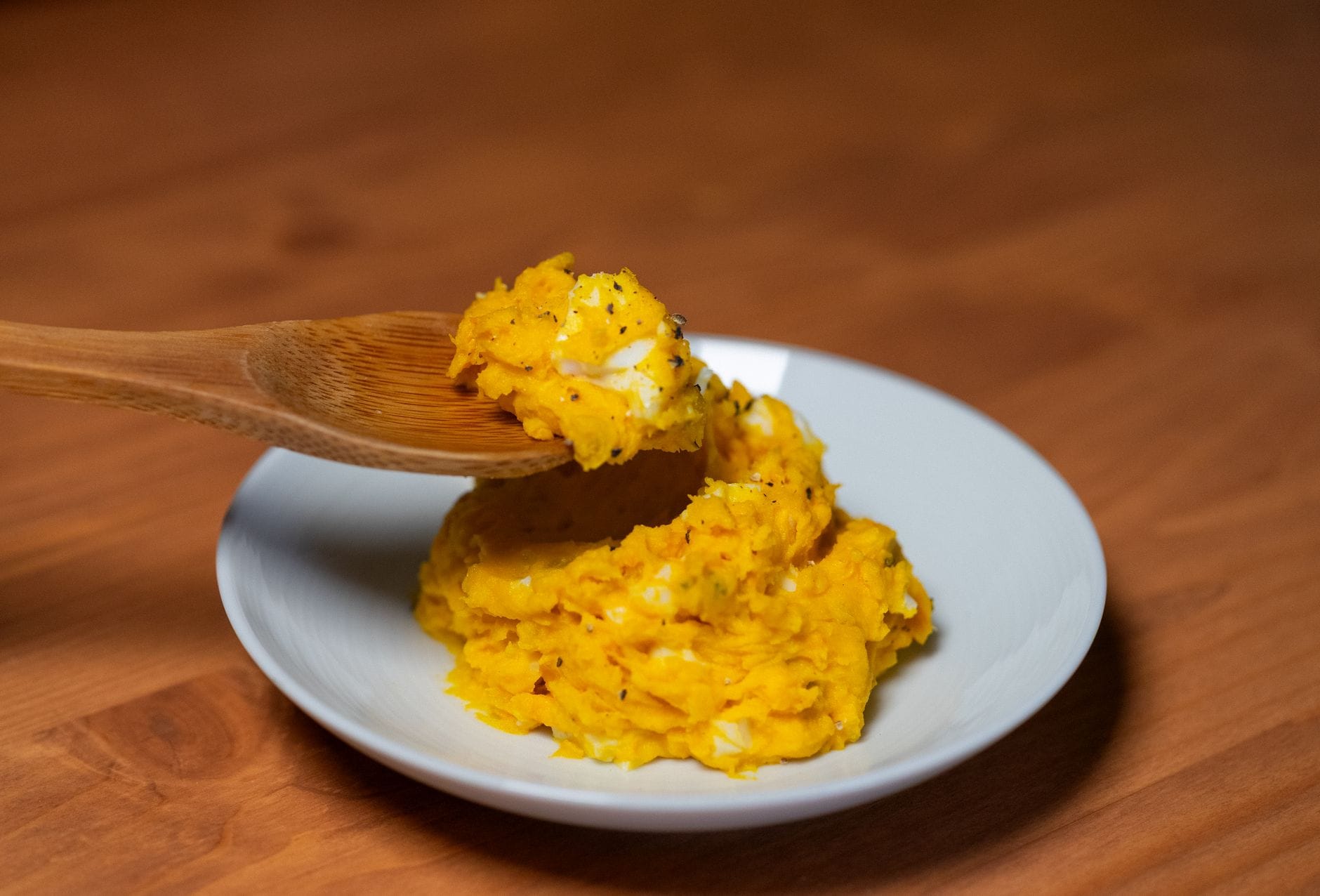
SaveOne reason IDDSI replaced national systems is that words like “soft” mean different things to different cooks. The framework therefore defines physical tests that anyone can run in a kitchen (1):
| Test | How it works | Used for |
|---|---|---|
| Spoon tilt test | The sample should hold its shape on the spoon, then slide off cleanly when tilted, leaving little residue | Levels 4 and 5 (1) |
| Fork drip test | The food or drink is pressed through or dripped from a fork to judge flow | Levels 3 to 5 (1) |
| Fork tine gap | Gaps between the prongs of a standard metal fork are about 4 mm, the maximum lump size for Minced & Moist | Level 5 (1) |
| Thumbnail width | About 1.5 cm, the maximum piece size for Soft & Bite-Sized food for adults | Level 6 (1) |
Paediatric sizes are smaller: 2 mm for Minced & Moist and 8 mm for Soft & Bite-Sized (1).
Thickened Drinks: the Evidence Is Not What People Assume
Thickened liquids are the most common intervention and the most commonly misunderstood. A randomized trial enrolled 515 people aged 50 and over with dementia or Parkinson’s disease who had been shown on videofluoroscopy to aspirate thin liquids, and compared a chin-down posture with nectar-thick and honey-thick drinks over three months (4).
The results were sobering. Overall pneumonia incidence was 11%. The chin-down group and the thickened-liquid groups did not differ significantly. Within the thickened groups, the honey-thick liquids were associated with a higher pneumonia rate, 15%, than nectar-thick at 8.4% (4).
A Cochrane review of consistency modification in dementia made the same broader point: diet modification affects quality of life and can lead to dehydration and malnutrition, so benefits and risks have to be weighed rather than assumed (5).
None of this means thickeners are useless. It means the level should be the least restrictive one that is safe for that person, set and reviewed by a clinician, rather than thickened further “to be on the safe side”.
Who Sets the Level
A speech-language pathologist carries out the assessment, often instrumental, and recommends the texture and thickness levels as part of a wider plan that may include swallowing exercises, posture changes and changes to how food is presented (3). A dietitian keeps the nutrition adequate, and doctors manage the underlying condition, which is frequently neurological (6).
If you are caring for someone at home, the practical rule is that the level is a clinical prescription. Loosening it because a meal seems bland, or tightening it out of anxiety, both carry risk. Ask for the level to be reassessed instead.
Practical Points at the Table
- Keep everything moist. Dryness makes swallowing harder; sauces, gravy and cream add moisture and calories at once.
- Check for stray lumps before serving pureed food, and use the spoon tilt test (1).
- Avoid mixed textures such as soup with solid pieces, or a smooth puree topped with seeds or nuts. These are among the hardest things for a compromised swallow to handle.
- Serve small, frequent meals, since eating is tiring and people fill up quickly (6).
- Watch fluid intake. Thickened drinks are less appealing and people drink less of them, which is how dehydration creeps in (5).
- Oral hygiene matters. It is part of standard dysphagia care, because mouth bacteria contribute to aspiration pneumonia (6).
Keeping meals varied within the level takes effort; adapting the textures of simple everyday recipes is usually easier than cooking separately. If there are other dietary restrictions in play, such as kidney-friendly eating, the dietitian should combine them rather than you stacking rules.
When to Get Help Urgently
Coughing or choking during meals, a wet or gurgly voice after swallowing, food sticking, drooling, unexplained weight loss, or repeated chest infections all warrant prompt medical assessment (7). Recurrent pneumonia in someone with swallowing difficulty is a red flag, not a run of bad luck.
Frequently Asked Questions
How many levels does a dysphagia diet have?
The international standard, IDDSI, has eight levels numbered 0 to 7. Levels 0 to 4 cover drinks from thin to extremely thick, and levels 3 to 7 cover foods from liquidised through to regular. Older national systems used three or four differently numbered levels, which is why you will still see conflicting numbering online.
Is Level 1 the most restricted?
No, and this is a common and dangerous mix-up. In IDDSI, Level 1 is a slightly thickened drink. Pureed food is Level 4. Older systems numbered pureed food as Level 1, so a number on its own means nothing without knowing which system is being used. Always use the name alongside the number.
Are thicker liquids always safer?
No. In a randomized trial of 504 people with dementia or Parkinson’s disease who aspirated thin liquids, honey-thick liquids were associated with a higher three-month pneumonia rate (15%) than nectar-thick liquids (8.4%), and thickened liquids overall did not significantly beat a chin-down posture. Over-thickening also raises the risk of dehydration.
Who decides which level someone needs?
A speech-language pathologist, usually after an instrumental swallowing assessment, working with a doctor and a dietitian. The level is a clinical judgement, not a preference, and it should be reassessed as the underlying condition changes.
Can a dysphagia diet cause malnutrition?
Yes, if it is not planned. Texture modification narrows food choices and eating takes longer and tires people, so calorie and protein intake can fall. Dehydration is a particular risk with thickened drinks. This is why a dietitian should be involved rather than the family managing it alone.
The Bottom Line
A dysphagia diet is a clinical intervention, not a wellness plan. The international standard runs from Level 0, ordinary thin drinks, to Level 7, regular food, and pureed food sits at Level 4 rather than Level 1 as older articles claim. Thickening drinks further is not automatically safer, and trial evidence shows the thickest option performed worst. Get the level set and reviewed professionally, keep food moist and free of mixed textures, watch fluid and calorie intake, and treat coughing at meals as a signal to seek help.
This article is for informational purposes only and is not a substitute for professional medical advice. If you or someone you care for has trouble swallowing, consult a doctor, speech-language pathologist, or registered dietitian before making any dietary changes.
Related Articles
Light Food Recipes: Six Easy Everyday Meals
Foods for Healthy Kidneys: What the Evidence Says
Positive Effects of Healthy Eating: What Research Shows
Balanced Diet Guide With the 5 Food Groups
High Fiber Foods List and How Much Fiber You Need