
What a low-residue diet is, when doctors use it, which foods fit, and what current colonoscopy guidelines and trials say about it compared with clear liquids.
A low-residue diet is a short-term, low-fiber eating plan that reduces the amount of undigested material passing through the bowel. It is mainly used the day before a colonoscopy and during acute flares of some bowel conditions (1).
There is no scientifically agreed definition of “residue,” so researchers have proposed treating it simply as a low-fiber diet with no more than 10 grams of fiber a day (1). This guide explains when it is used, what to eat, and what the evidence shows.
Key Takeaways
- A low-residue diet is best understood as a low-fiber diet of about 10 g of fiber a day or less (1).
- European guidelines recommend a low-fiber diet on the day before a colonoscopy (2).
- US guidance accepts either clear liquids or a low-fiber, low-residue diet for early and midday meals that day (3).
- Compared with clear liquids, a low-residue diet gave the same bowel cleansing with better tolerance (4, 5).
- For long-term gut health, higher fiber intake is linked to lower diverticulitis risk (7).
What a Low-Residue Diet Is
“Residue” describes the material left in the bowel after digestion. In practice, there is no method to estimate how much residue a food produces, and published information on residue almost always refers to fiber (1). For that reason, a 2015 review in Advances in Nutrition suggested redefining the low-residue diet as a low-fiber diet with a maximum of 10 g of fiber per day (1).
For comparison, that is far below typical recommendations for everyday eating. If you are looking to eat more fiber rather than less, see our guide to high-fiber foods.
When Doctors Recommend It
- Before a colonoscopy. This is the best-studied use. The European Society of Gastrointestinal Endoscopy (ESGE) recommends a low-fiber diet on the day before the procedure, a strong recommendation based on moderate-quality evidence (2).
- During acute flares of bowel disease. A low-fiber or low-residue diet is used as part of the treatment of acute relapses in different bowel diseases (1).
- Other situations set by your care team. Surgeons and gastroenterologists may use it around bowel procedures. Follow their instructions on timing and duration.
It is not a weight loss diet or a general “gut reset.” Without a medical reason, there is no benefit to cutting fiber.
Low-Residue Diet vs Clear Liquids Before a Colonoscopy
For years, people were told to drink only clear liquids the day before a colonoscopy. Newer evidence supports a less restrictive approach.
- A 2021 meta-analysis of 16 randomized trials found no significant difference in bowel preparation quality between low-residue and clear liquid diets. People on the low-residue diet tolerated it better and were more willing to repeat it, while the clear-liquid group reported more hunger, nausea and vomiting (4).
- A 2020 meta-analysis of 16 studies with 3,413 patients reached similar conclusions, though its authors rated some of the evidence as weak (5).
- The 2025 US Multi-Society Task Force recommends limiting dietary restrictions to the day before a colonoscopy, using either clear liquids or low-fiber, low-residue diets for early and midday meals (3).
Instructions differ between clinics and bowel preparation products, so always follow the plan your endoscopy team gives you.
Foods to Eat and Limit
 Save
SaveLow-residue food lists vary between hospitals. The table below reflects the common pattern of choosing refined, low-fiber foods:
| Food group | Usually allowed | Usually limited |
|---|---|---|
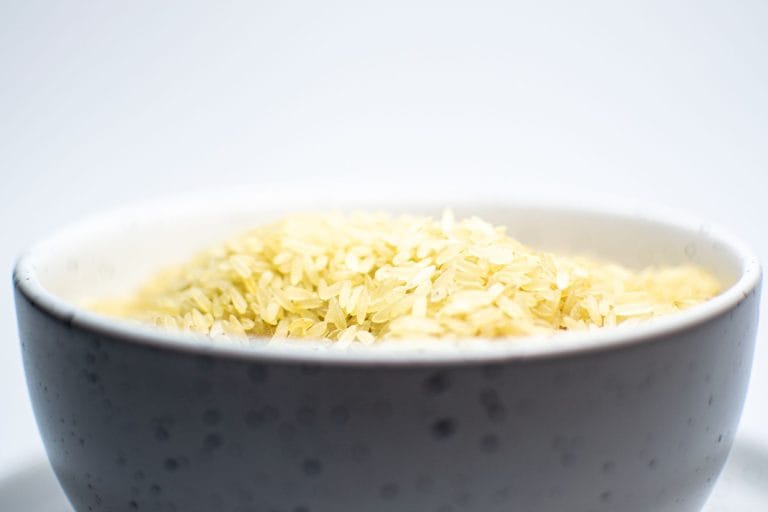
| Grains | White bread, white rice, plain pasta, refined cereals | Whole-grain bread, brown rice, oats, bran, whole-grain cereals |
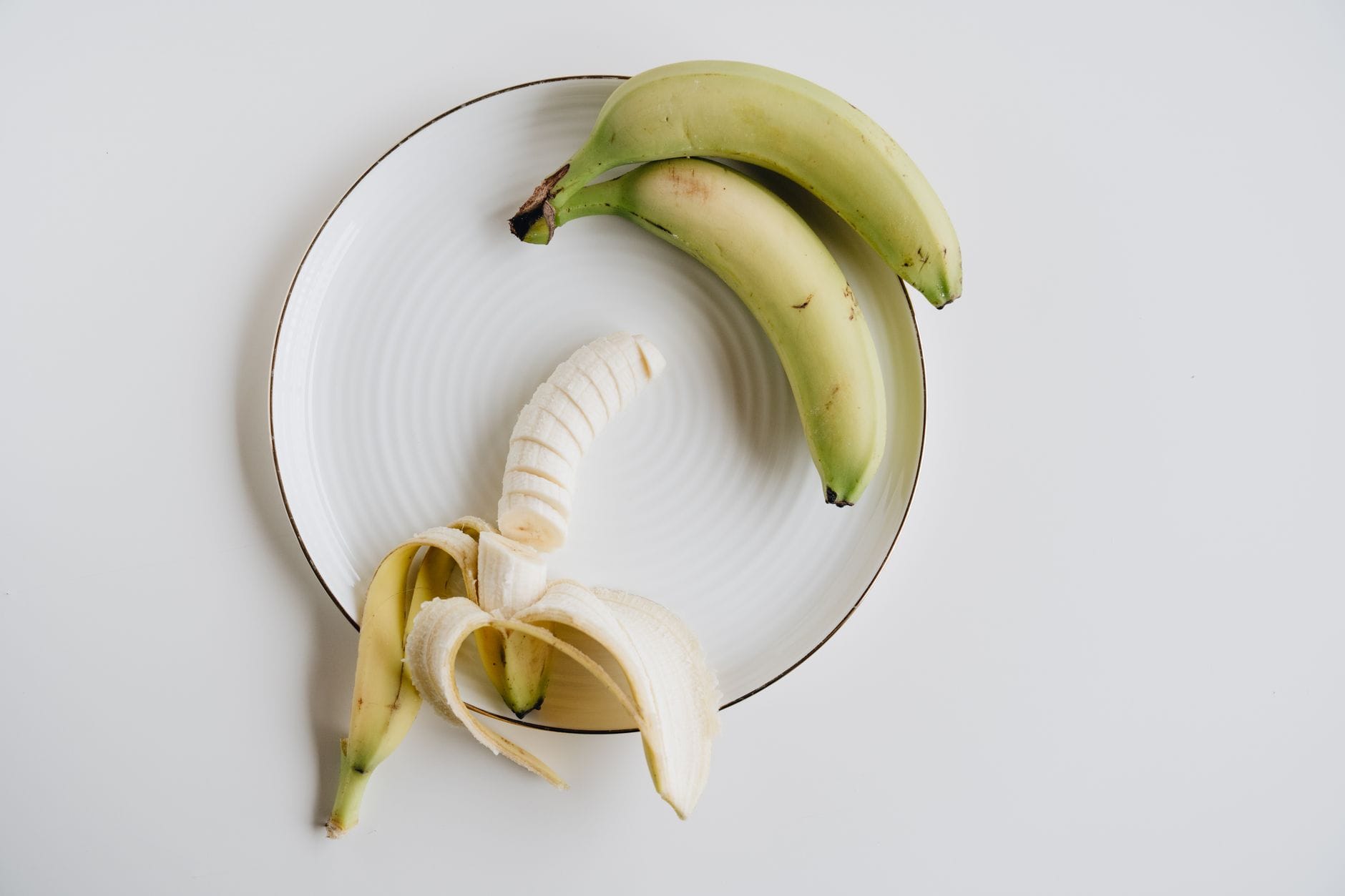
| Fruit | Ripe bananas, melon, canned or cooked fruit without skin or seeds | Raw fruit with skin or seeds, dried fruit, berries |
| Vegetables | Well-cooked, peeled vegetables without seeds; strained vegetable juice | Raw vegetables, corn, peas, cabbage family, vegetable skins |
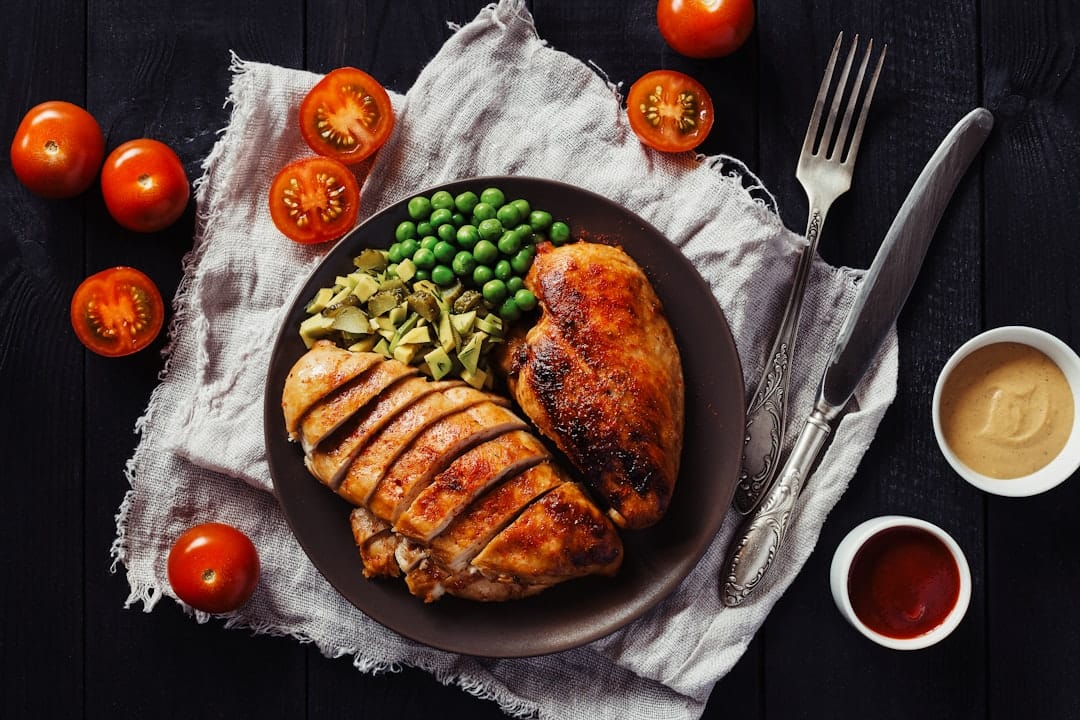
| Protein | Eggs, tender poultry, fish, smooth nut butter, tofu | Beans, lentils, whole nuts and seeds, tough or gristly meat |
| Fats and other | Butter, oils, clear broth | Popcorn, seeds, chunky spreads, foods with added fiber |
A few practical tips:
- Cook vegetables until soft and remove skins and seeds.
- Choose white bread and rice over whole-grain versions for the short period you follow the diet.
- Drink enough fluids, especially if you are taking a bowel preparation.
- Check labels, because some yogurts, drinks and bars have added fiber.
Diverticular Disease: Low Fiber Is Not the Long-Term Answer
 Save
SavePeople with diverticular disease are often told to avoid nuts, corn, popcorn and seeds. A study following 47,228 men for 18 years did not support this. Men who ate nuts or popcorn at least twice a week did not have more diverticulitis. Popcorn was linked with a 28% lower risk, and the authors concluded that the advice to avoid these foods should be reconsidered (6).
Higher fiber appears protective over the long term. In a study of 50,019 women, those with the highest fiber intake had a 14% lower risk of diverticulitis than those with the lowest, with fiber from fruit and cereals showing the clearest link (7). A short low-fiber period may still be used during an acute episode if your doctor advises it.
If your main problem is bloating or irritable bowel syndrome rather than a procedure or flare, a structured low FODMAP diet is designed for that purpose.
Risks and Limitations
- Not for long-term use without supervision. A restricted diet makes it harder to get enough fiber, vitamins and minerals from food over time.
- Constipation. Fiber adds bulk to stool, so cutting it back can make constipation worse in some people.
- Loss of fiber’s long-term benefits. Higher fiber intake is linked with lower diverticulitis risk (7).
- Weak definition. Because residue cannot be measured, food lists differ and some advice is based on tradition rather than trials (1).
When the reason for the diet has passed, return to your normal eating pattern gradually, adding fiber back over several days, and aim for a balanced diet.
Frequently Asked Questions
How much fiber is allowed on a low-residue diet?
There is no universally accepted definition. A 2015 review in Advances in Nutrition proposed treating the low-residue diet as a low-fiber diet with a maximum of 10 grams of fiber per day. Your doctor or hospital may give you a slightly different target.
Can I eat a low-residue diet instead of clear liquids before a colonoscopy?
Often, yes, if your doctor agrees. Meta-analyses of 16 randomized trials found bowel cleansing was just as good with a low-residue diet as with clear liquids, and people tolerated it better. Always follow the specific instructions from your endoscopy unit.
How long should you follow a low-residue diet?
Usually only for a short, defined period, such as the day before a colonoscopy or during an acute flare. European and US colonoscopy guidance limits dietary restrictions to the day before the procedure. Longer use should be supervised by a doctor or dietitian.
Do people with diverticular disease need to avoid nuts and seeds?
Not for prevention. In a study of 47,228 men followed for 18 years, eating nuts or popcorn was not linked to a higher risk of diverticulitis, and popcorn was linked to a lower risk. The authors said the advice to avoid these foods should be reconsidered.
Is low-residue the same as low-fiber?
Nearly. Researchers note that in practice, residue mostly means fiber, because there is no method to measure food residue. That is why a 2015 review suggested replacing the term low-residue with a defined low-fiber diet.
The Bottom Line
A low-residue diet is a short-term, low-fiber plan, best defined as about 10 grams of fiber a day or less. Its strongest use is the day before a colonoscopy, where trials show it cleans the bowel as well as clear liquids and is easier to tolerate. It also has a role in acute bowel flares, under medical guidance. It is not a healthy everyday diet: once the reason for it has passed, returning to fiber-rich eating supports long-term gut health.
This article is for informational purposes only and is not a substitute for professional medical advice. Follow the instructions from your doctor or endoscopy team, and talk with them before changing your diet if you have a bowel condition.
Related Articles
FODMAP Diet: The 3 Steps and the List Errors
High Fiber Foods List and How Much Fiber You Need
Balanced Diet Guide With the 5 Food Groups